


Learn what causes cellulite, why it develops, and the most effective treatment options available for smoother, firmer-looking skin.
By Fara Farid | June 12th, 2026
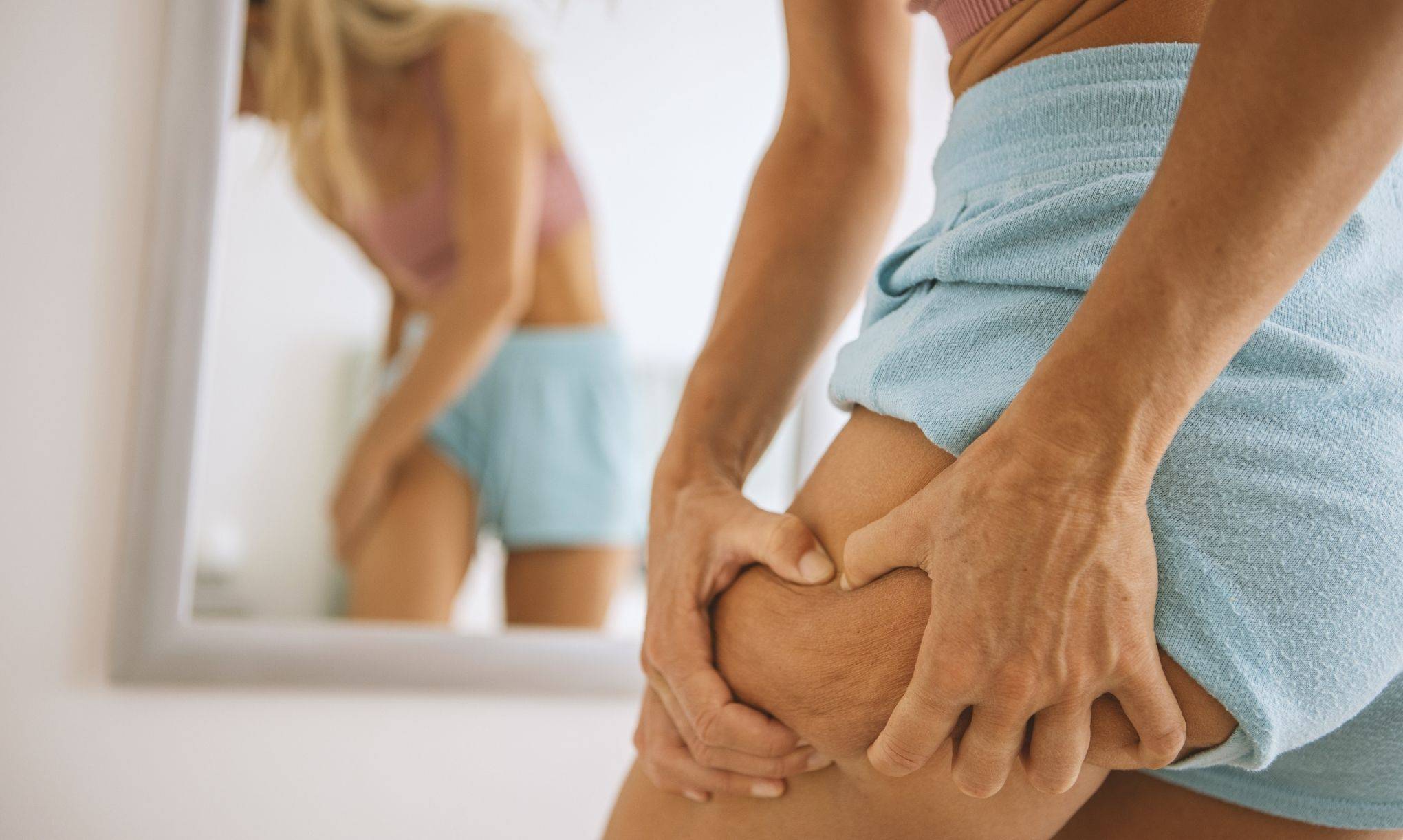
Have you ever noticed dimples or uneven texture on your thighs, hips, or buttocks and wondered why they appear even if you exercise regularly? Cellulite is one of the most common cosmetic concerns worldwide, affecting people of different ages, body types, and fitness levels. Despite its prevalence, there are still many misconceptions about what cellulite is and whether it can truly be treated.
The good news is that modern aesthetic medicine offers a range of options that may help improve the appearance of cellulite. Understanding how cellulite forms is the first step toward finding the most suitable approach for smoother-looking skin.
Understanding What Cellulite Really Is
Cellulite is a cosmetic skin condition characterized by a dimpled, uneven, or "orange peel" appearance. It most commonly develops on areas where fat naturally accumulates, including:
· Thighs
· Buttocks
· Hips
· Abdomen
· Upper arms
Cellulite occurs when fat deposits beneath the skin push upward against connective tissue bands known as fibrous septae. As the fat presses upward and the connective tissue pulls downward, the skin surface may develop visible dimples and irregularities.
Although cellulite is often associated with excess weight, it can affect people of all body sizes. In fact, many individuals with low body fat percentages still experience cellulite due to factors unrelated to weight alone.
Why Does Cellulite Develop?
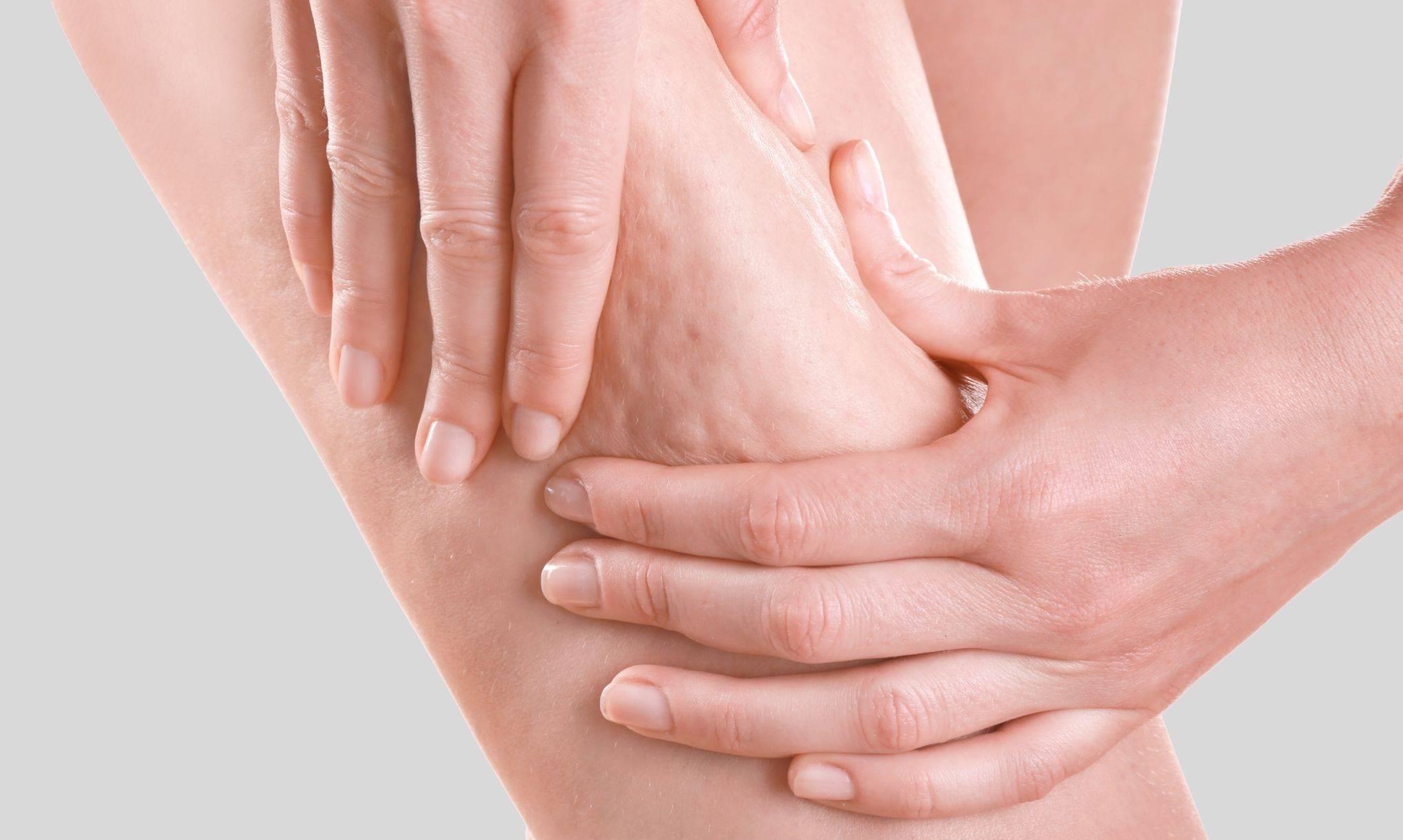
Cellulite develops through a combination of structural, hormonal, genetic, and lifestyle factors. Rather than having a single cause, it is usually the result of multiple contributing influences.
1. Connective Tissue Structure
Women tend to develop cellulite more frequently than men because their connective tissue structure differs. Fibrous bands beneath female skin are arranged vertically, allowing fat cells to protrude more easily toward the skin surface.
2. Hormonal Influences
Hormones may play a role in cellulite formation. Estrogen, insulin, noradrenaline, and thyroid hormones can influence fat distribution, circulation, and connective tissue integrity.
3. Genetics
Genetic factors may affect:
· Skin thickness
· Fat distribution
· Metabolic efficiency
· Connective tissue strength
· Circulation quality
As a result, some individuals may be more prone to cellulite regardless of their lifestyle habits.
4. Aging
As collagen production declines with age, the skin becomes thinner and less elastic. This can make underlying cellulite more visible over time.
5. Lifestyle Factors
Certain habits may contribute to worsening cellulite appearance, including:
· Sedentary lifestyle
· Smoking
· Poor circulation
· Unbalanced diet
· Significant weight fluctuations
While these factors may not directly cause cellulite, they can influence how noticeable it becomes.
Can Exercise Get Rid Of Cellulite?
One of the most common myths is that exercise alone can eliminate cellulite completely. Regular exercise offers many benefits, including improved muscle tone, better circulation, and reduced body fat. These improvements may help make cellulite less visible. However, exercise does not directly change the fibrous connective tissue responsible for cellulite dimpling.
This explains why highly active individuals, athletes, and people with lean physiques may still experience cellulite. That said, maintaining a healthy lifestyle remains an important part of managing cellulite appearance and supporting treatment outcomes.
Why Cellulite Is Difficult To Treat
Cellulite involves multiple layers beneath the skin, including fat, connective tissue, circulation, and skin quality. Because several factors contribute to its appearance, there is no universal treatment that permanently eliminates cellulite for everyone.
Successful treatment often focuses on improving one or more of the following:
· Skin firmness
· Collagen production
· Fat reduction
· Tissue remodeling
· Circulation
· Connective tissue structure
Modern body contouring technologies are designed to target these underlying contributors rather than simply reducing body weight.
Modern Cellulite Treatment Options
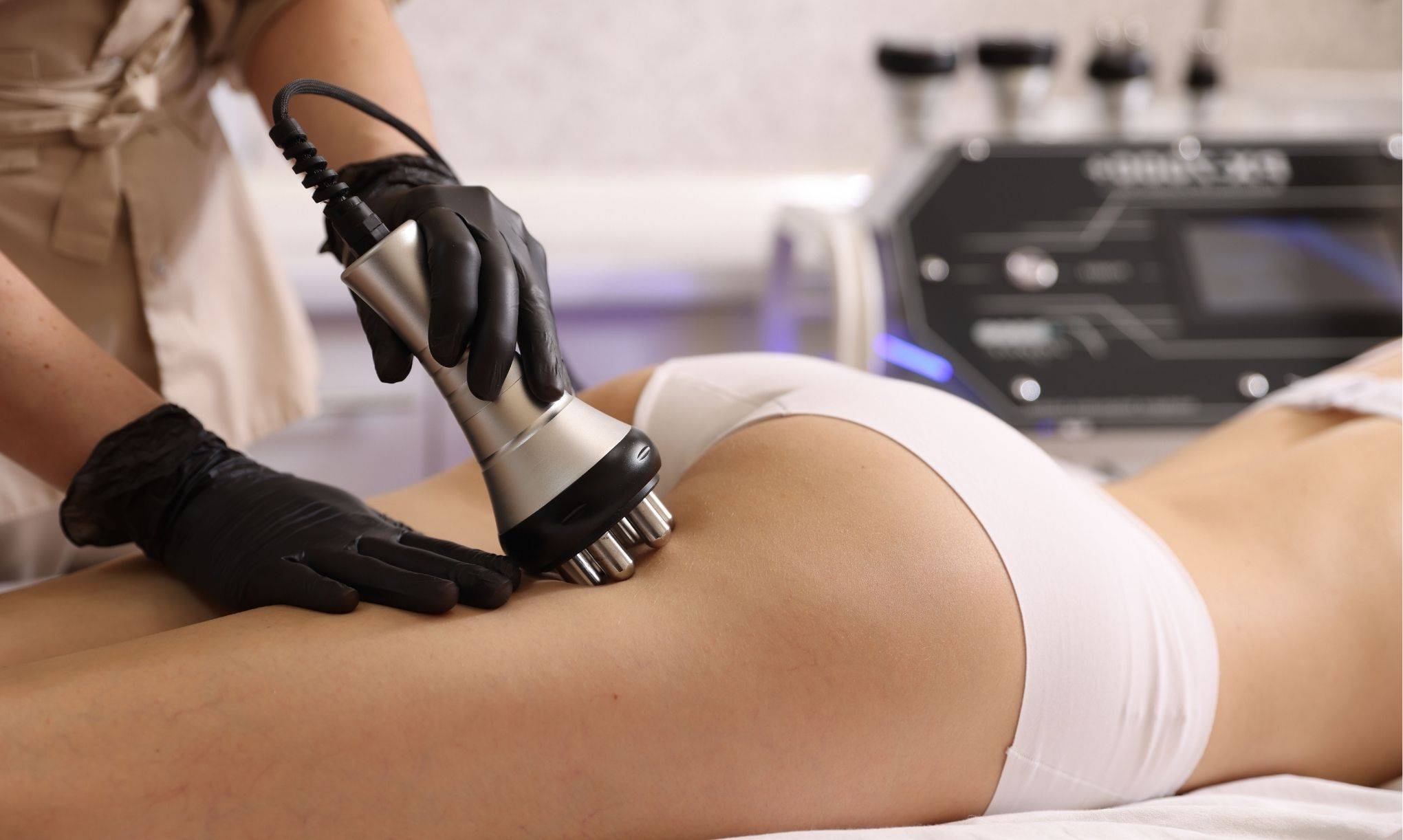
Advances in aesthetic medicine have introduced a variety of treatments that may help improve the appearance of cellulite by targeting skin laxity, fat deposits, connective tissue irregularities, and collagen loss. The most suitable option depends on the severity of cellulite, skin quality, and individual treatment goals.
· HighIntensity Focused Ultrasound (HIFU) delivers focused ultrasound energy into deeper tissue layers beneath the skin. This energy stimulates collagen production while helping to improve skin firmness and contour definition. HIFU may be suitable for individuals looking to address cellulite while also tightening loose skin in the treated area.
· Enzymatic Cellulite Treatment utilizes specialized enzymes designed to target localized fat deposits and fibrotic tissue associated with cellulite formation. By helping break down stubborn fatty accumulations and improving tissue quality, this treatment may contribute to smoother and more refined skin texture over time.
· Sunekos Cell is an advanced injectable treatment that combines amino acids and hyaluronic acid precursors to support tissue regeneration and collagen synthesis. While originally developed for skin rejuvenation, it may also help improve skin quality, elasticity, and firmness in areas affected by cellulite, creating a smoother overall appearance.
· ONDA utilizes microwave technology to target localized fat deposits while simultaneously promoting skin tightening. By reducing excess fat and supporting collagen remodeling, ONDA may help improve body contours and reduce the visibility of cellulite in selected treatment areas. The treatment is particularly popular for abdominal contouring and body sculpting.
Mesotherapy For Cellulite Reduction
· Mesotherapy involves the injection of carefully selected active ingredients into targeted areas beneath the skin. These ingredients are intended to support circulation, fat metabolism, and tissue remodeling. Mesotherapy for cellulite reduction may help improve skin texture and reduce the appearance of uneven, dimpled skin when performed as part of a comprehensive treatment plan.
Combining Treatments For Better Results
Because cellulite develops through multiple contributing factors, a combination approach often produces the most noticeable improvements. Treatments that address fat deposits, skin laxity, collagen loss, and connective tissue irregularities simultaneously may provide more comprehensive results than a single treatment alone.
Finding The Right Cellulite Treatment For Your Goals

Because cellulite develops differently in each individual, treatment selection should be based on a professional assessment rather than trends alone. Factors commonly evaluated include:
· Location of cellulite
· Severity of dimpling
· Skin laxity
· Fat distribution
· Overall body contour goals
Platforms such as Trambellir help patients explore various body contouring and skin-tightening treatments available at reputable clinics worldwide, making it easier to compare options based on individual needs and goals.
Whether you're interested in non-surgical body contouring, collagen-stimulating procedures, or skin-tightening technologies, understanding the underlying cause of cellulite is the first step toward choosing a suitable treatment approach.
Frequently Asked Questions
1. What causes cellulite?
Cellulite develops when underlying fat deposits push against connective tissue beneath the skin, creating a dimpled or uneven appearance.
2. Can cellulite occur in slim individuals?
Yes. Cellulite affects people of various body types, including individuals who are slim, fit, and physically active.
3. Is cellulite a medical condition?
No. Cellulite is generally considered a cosmetic concern rather than a medical condition and does not usually pose health risks.
4. Can cellulite be permanently removed?
Most treatments aim to improve the appearance of cellulite rather than permanently eliminate it. Maintenance treatments may be recommended depending on the procedure.
5. Which treatments may help improve cellulite?
Treatments such as radiofrequency-based body contouring, skin-tightening procedures, collagen-stimulating therapies, and certain injectable treatments may help improve the appearance of cellulite depending on individual circumstances.


