


Discover wellness treatments that can help you relax, recharge, and restore balance through holistic therapies, mindfulness, and wellness retreats

By Fara Farid | July 6th, 2026
Have you ever taken a weekend off, caught up on sleep, and still felt completely exhausted on Monday? If so, you're not alone. In today's fast-paced world, feeling constantly drained has become increasingly common, even among those who prioritize rest.
Burnout is more than simply feeling tired after a long day. It can affect your physical energy, emotional well-being, focus, and motivation, making everyday tasks feel overwhelming. While quality sleep, healthy nutrition, and regular exercise remain essential, many people are also turning to holistic wellness experiences to complement their self-care routines and restore a greater sense of balance.
Is It Stress, Fatigue, or Burnout?
Everyone experiences stress from time to time. However, burnout develops when stress becomes prolonged and unmanaged over an extended period.
According to the World Health Organization (WHO), burnout is an occupational phenomenon characterized by feelings of energy depletion, increased mental distance from one's work, and reduced professional effectiveness. Although originally associated with the workplace, many people also experience burnout from caregiving responsibilities, academic pressure, or demanding lifestyles.
Common signs may include:
· Constant fatigue despite getting enough sleep
· Difficulty concentrating
· Feeling emotionally overwhelmed
· Loss of motivation
· Irritability
· Reduced productivity
· Difficulty relaxing even during free time
Recognizing these signs is often the first step toward making meaningful lifestyle changes.
Why Recovery Means More Than Simply Taking a Break
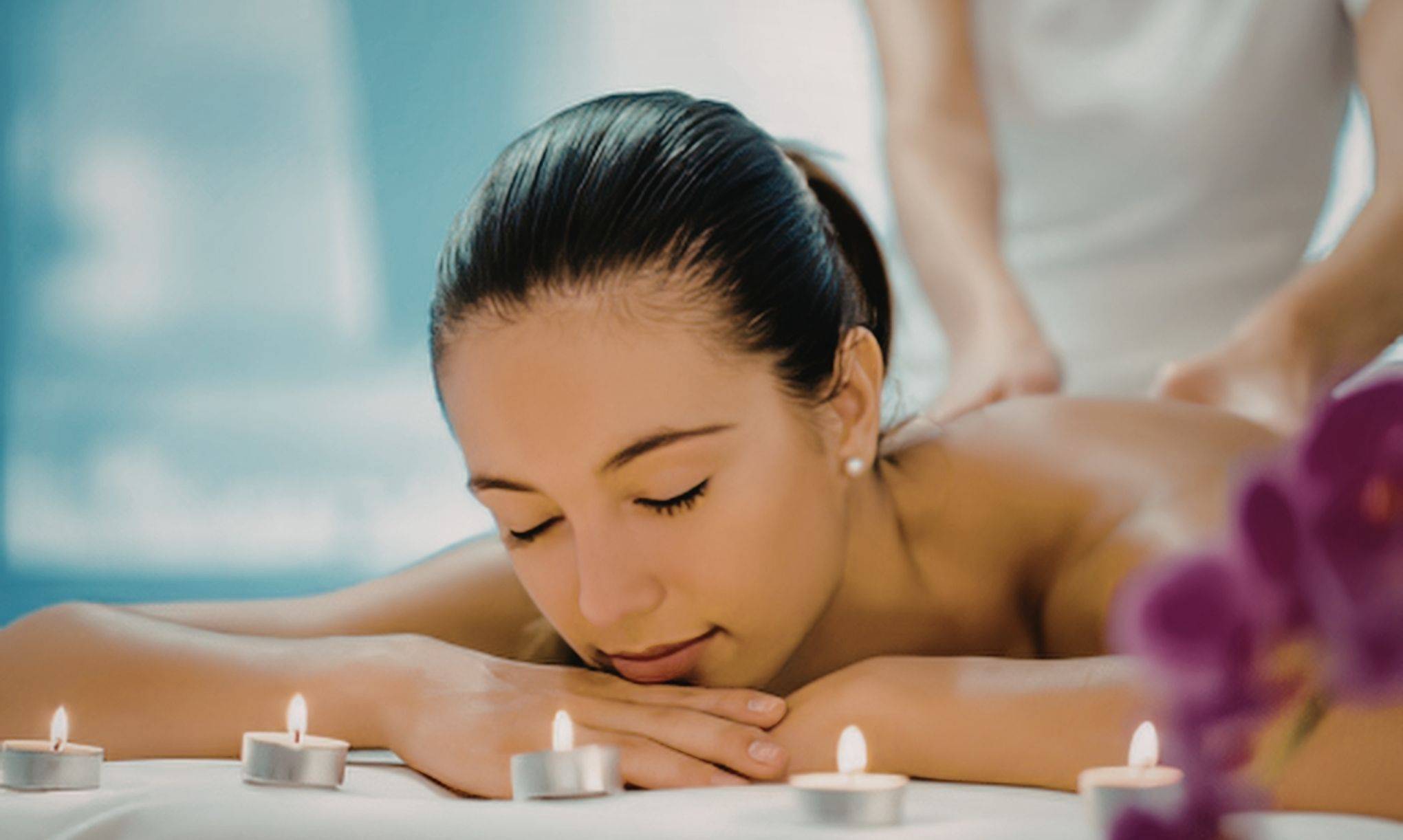
A vacation or a few days off can certainly help, but genuine recovery often requires more than temporarily escaping daily responsibilities.
Stress affects both the mind and body. Prolonged stress may contribute to muscle tension, poor sleep quality, mental fatigue, and emotional exhaustion. Because these effects are interconnected, recovery often benefits from a holistic approach that addresses physical relaxation alongside mental well-being. Many wellness experiences are designed with this philosophy in mind, combining relaxation techniques, mindful practices, movement, and therapeutic treatments that encourage overall balance rather than focusing on a single symptom.
Shirodhara: Finding Calm Through an Ancient Ayurvedic Practice
One increasingly popular wellness therapy is Shirodhara, a traditional Ayurvedic treatment involving the continuous pouring of warm herbal oil over the forehead. The gentle, rhythmic flow is designed to create a deeply relaxing experience while encouraging mental stillness. Many participants choose Shirodhara as part of a wellness retreat or self-care journey because it offers an opportunity to disconnect from everyday distractions and simply be present.
People often explore Shirodhara for its potential to:
· Promote deep relaxation
· Encourage mental clarity
· Support emotional balance
· Create a calming wellness experience
Detox Programs: A Structured Wellness Reset
Sometimes, burnout stems from months – or even years – of neglecting healthy routines. In these situations, a structured wellness program may provide the environment needed to reset both physically and mentally.
Detox Programs typically combine several wellness elements into one comprehensive experience, including:
· Personalized nutrition guidance
· Therapeutic wellness treatments
· Relaxation sessions
· Mindful movement
· Healthy lifestyle support
Rather than focusing solely on detoxification, these programs encourage participants to adopt healthier daily habits while creating space for genuine rest and reflection. Many wellness travelers choose these programs because they offer an immersive experience away from everyday pressures, allowing participants to focus entirely on their well-being.
Mind Training: Strengthening Mental Well-Being
Just as physical exercise strengthens the body, mental training helps develop healthier ways of managing stress and emotional challenges.
Mind training may include techniques such as:
· Guided mindfulness
· Breathing exercises
· Visualization
· Mental resilience practices
· Concentration exercises
These approaches encourage greater awareness of thoughts and emotions while helping individuals respond more calmly during stressful situations. Research has shown that mindfulness-based practices may help reduce stress and improve overall psychological well-being when practiced consistently.
Crystal and Sound Healing: Creating Space for Relaxation
For individuals seeking a slower, more meditative wellness experience, crystal and sound healing sessions have become increasingly popular.
These sessions often use instruments such as singing bowls, tuning forks, or gongs to create calming sound vibrations while participants rest in a peaceful environment. Although scientific evidence regarding crystal healing itself remains limited, many people report feeling deeply relaxed during sound-based wellness sessions. Whether experienced individually or as part of a broader wellness retreat, these therapies offer dedicated time to disconnect from constant stimulation and focus on relaxation.
As with many complementary wellness practices, crystal and sound healing should be viewed as supportive experiences rather than replacements for professional medical or mental health care.
Yoga and Meditation: Small Habits That Create Lasting Change

Sometimes the most effective wellness practices are also the simplest. Yoga combines mindful movement, controlled breathing, and flexibility exercises that encourage both physical and mental relaxation. Meditation, meanwhile, trains the mind to focus on the present moment while reducing mental clutter.
Potential benefits may include:
· Improved relaxation
· Better stress management
· Increased body awareness
· Enhanced flexibility
· Greater emotional balance
The beauty of these practices lies in their accessibility. Whether practiced for ten minutes each morning or during a dedicated wellness retreat, consistency often matters more than duration. Many wellness destinations also combine yoga with spa therapies, mindfulness sessions, and holistic treatments to create comprehensive wellness experiences.
Choosing the Right Wellness Experience for Your Needs
There is no single solution that works for everyone. The best wellness experience depends on your goals, preferences, and lifestyle.
You might consider:
· Shirodhara if you're looking for deep relaxation and a calming Ayurvedic ritual.
· Master Detox Programs if you want a more immersive wellness reset.
· Mind Training if mental resilience and stress management are your priorities.
· Crystal and Sound Healing if you enjoy gentle, meditative experiences.
· Yoga and Meditation if you're looking to build sustainable wellness habits.
If you're exploring wellness experiences abroad, Trambellir offers access to a variety of trusted wellness centers and holistic treatments, making it easier to compare options based on your individual wellness goals.
Recharging Starts with Small, Intentional Choices

Burnout rarely disappears overnight, and recovery is often a gradual process rather than a single event. While wellness treatments cannot replace professional healthcare when needed, they can become valuable components of a broader self-care routine that prioritizes rest, mindfulness, and healthy living.
Sometimes, taking a step back is exactly what allows you to move forward with greater energy and clarity. Whether it's spending time in meditation, joining a structured wellness program, or simply making space for relaxation, investing in your well-being is never time wasted.
After all, feeling your best begins with giving yourself permission to slow down.
Frequently Asked Questions
1. What is burnout?
Burnout is a state of physical, emotional, and mental exhaustion caused by prolonged or unmanaged stress. It can affect motivation, energy levels, concentration, and overall well-being.
2. Can wellness treatments cure burnout?
Wellness treatments are not a cure for burnout or medical conditions. However, they may complement healthy lifestyle habits by supporting relaxation, stress management, and overall well-being.
3. Which wellness treatment is best for stress relief?
The most suitable treatment depends on your personal preferences and wellness goals. Popular options include Shirodhara, yoga, meditation, sound healing, and structured wellness programs.
4. How often should I participate in wellness treatments?
This varies depending on the type of treatment and your individual needs. Some people benefit from occasional wellness retreats, while others incorporate practices like yoga or meditation into their weekly routine.
5. Are wellness retreats suitable for beginners?
Yes. Many wellness retreats and holistic experiences welcome beginners and provide guided sessions designed for participants with little or no prior experience.


