


Discover why scalp health is essential for stronger hair growth and explore treatments that support healthier hair and scalp wellness.
By Fara Farid | July 31st, 2026
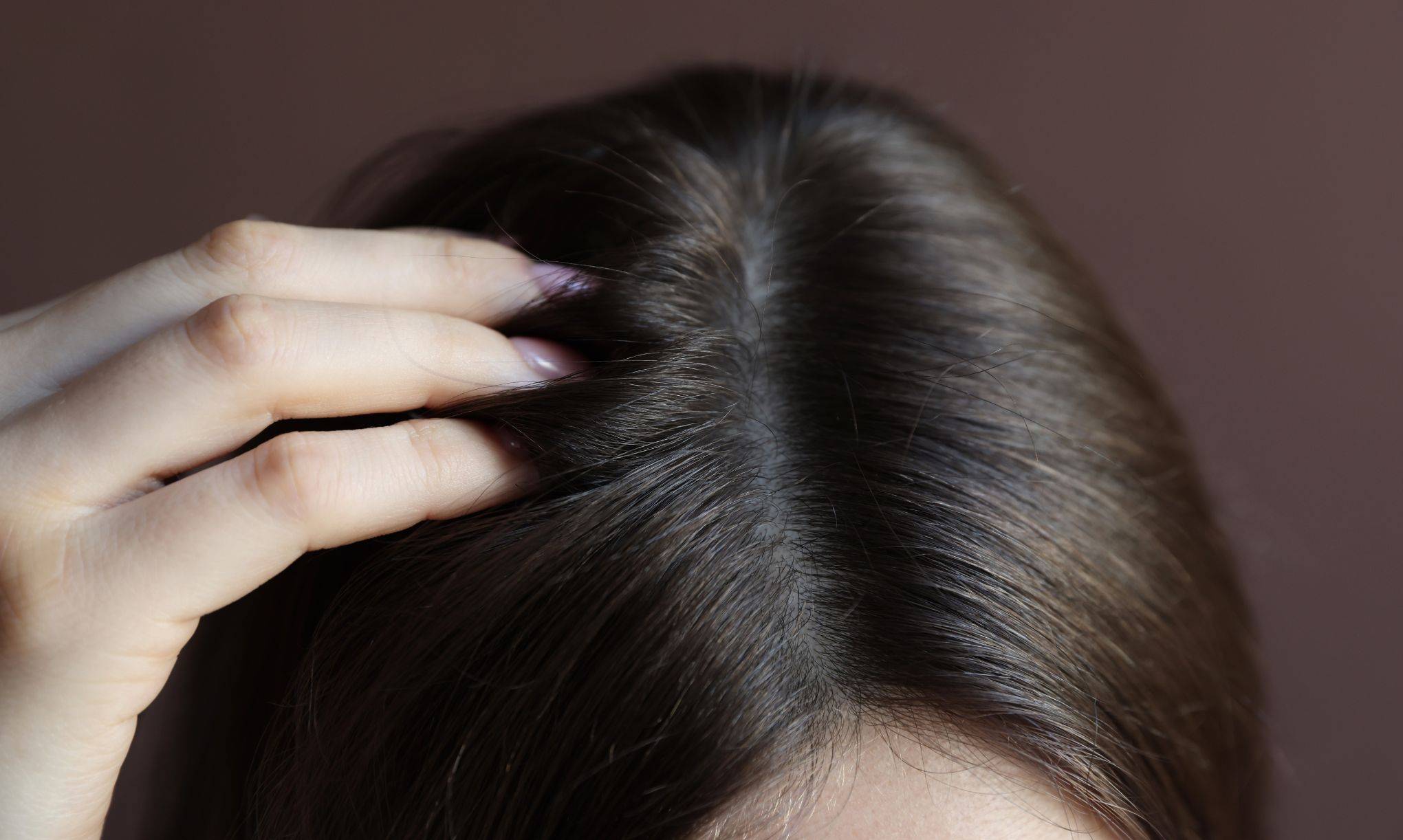
Have you ever wondered why some people have thick, healthy-looking hair while others experience thinning, excessive shedding, or slow hair growth despite using expensive shampoos and hair products? While many people focus on caring for their hair strands, the real foundation of healthy hair lies beneath the surface - the scalp.
The scalp is living skin that contains thousands of hair follicles, sebaceous glands, blood vessels, and nerve endings that work together to support healthy hair growth. When the scalp is well-nourished and balanced, it creates an environment where hair follicles can function efficiently. However, if the scalp becomes unhealthy due to inflammation, poor circulation, excess oil, buildup, or underlying medical conditions, hair quality may gradually decline.
Hair health is influenced by many factors, including genetics, hormones, nutrition, stress, lifestyle, and scalp condition. While not every type of hair loss can be prevented, maintaining a healthy scalp may improve the environment needed for stronger, healthier hair.
Why Your Scalp Matters More Than You Think
Your scalp performs many important functions beyond simply holding your hair in place. Like the skin on the rest of your body, it requires proper care and maintenance to remain healthy. Each hair follicle depends on an adequate supply of oxygen and nutrients delivered through tiny blood vessels beneath the scalp. Healthy circulation helps support the normal hair growth cycle by nourishing follicles during their active growth phase.
Several factors can disrupt this delicate balance, including:
· Excess oil production
· Product buildup
· Dead skin accumulation
· Chronic scalp inflammation
· Hormonal changes
· Aging
· Emotional or physical stress
· Certain medical conditions
When these issues persist, follicles may become less efficient, potentially contributing to thinner hair, slower growth, or increased shedding. Maintaining scalp health plays an important role in supporting overall hair health, although treatment recommendations depend on the underlying cause of hair loss.
Common Signs Your Scalp May Need Attention
Scalp concerns do not always cause obvious symptoms. In many cases, early warning signs develop gradually before noticeable hair thinning occurs.
Some common signs include:
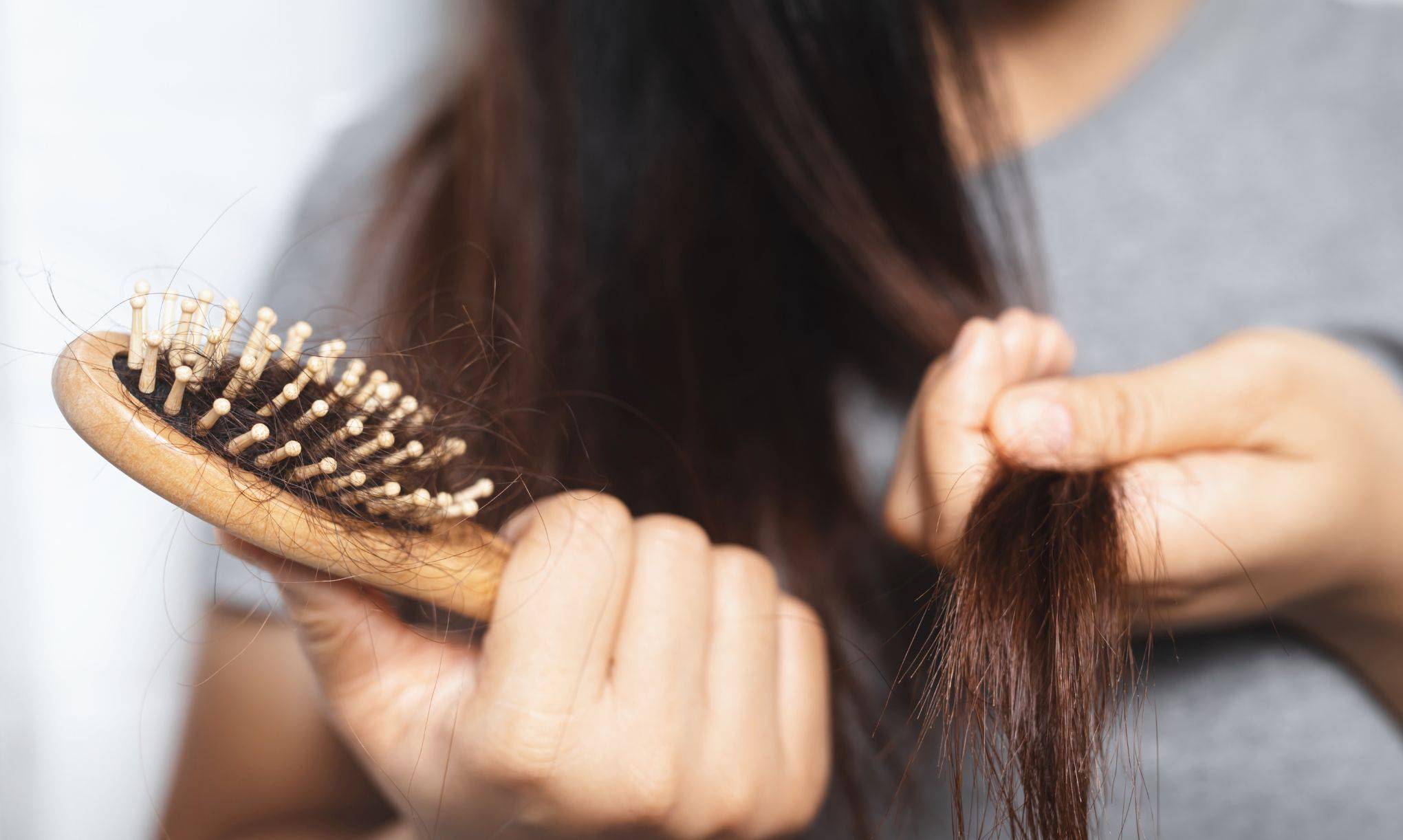
· Increased daily hair shedding
· Persistent itchiness
· Excessive oiliness
· Dry, flaky scalp
· Scalp sensitivity
· Frequent dandruff
· Hair that appears thinner than before
· Slow hair growth
· Loss of hair volume
These symptoms do not necessarily indicate permanent hair loss. In many situations, they may simply suggest that the scalp environment could benefit from professional assessment and appropriate care.
The Hair Growth Cycle Starts at the Follicle
Understanding how hair grows helps explain why scalp health is so important. Every hair follicle naturally cycles through three main stages:
1. Anagen (Growth Phase)
This is the active growth stage, during which hair continues growing for several years. Approximately 85 - 90% of healthy scalp hair is typically in this phase at any given time.
2. Catagen (Transition Phase)
The follicle gradually shrinks and separates from its blood supply, preparing to enter the resting stage.
3. Telogen (Resting Phase)
Hair eventually sheds, allowing a new hair to begin growing from the same follicle.
This continuous cycle occurs throughout life. However, inflammation, poor circulation, hormonal imbalance, nutritional deficiencies, or certain scalp disorders may shorten the growth phase or increase shedding, affecting overall hair density.
Modern Hair Restoration Looks Beyond Hair Alone
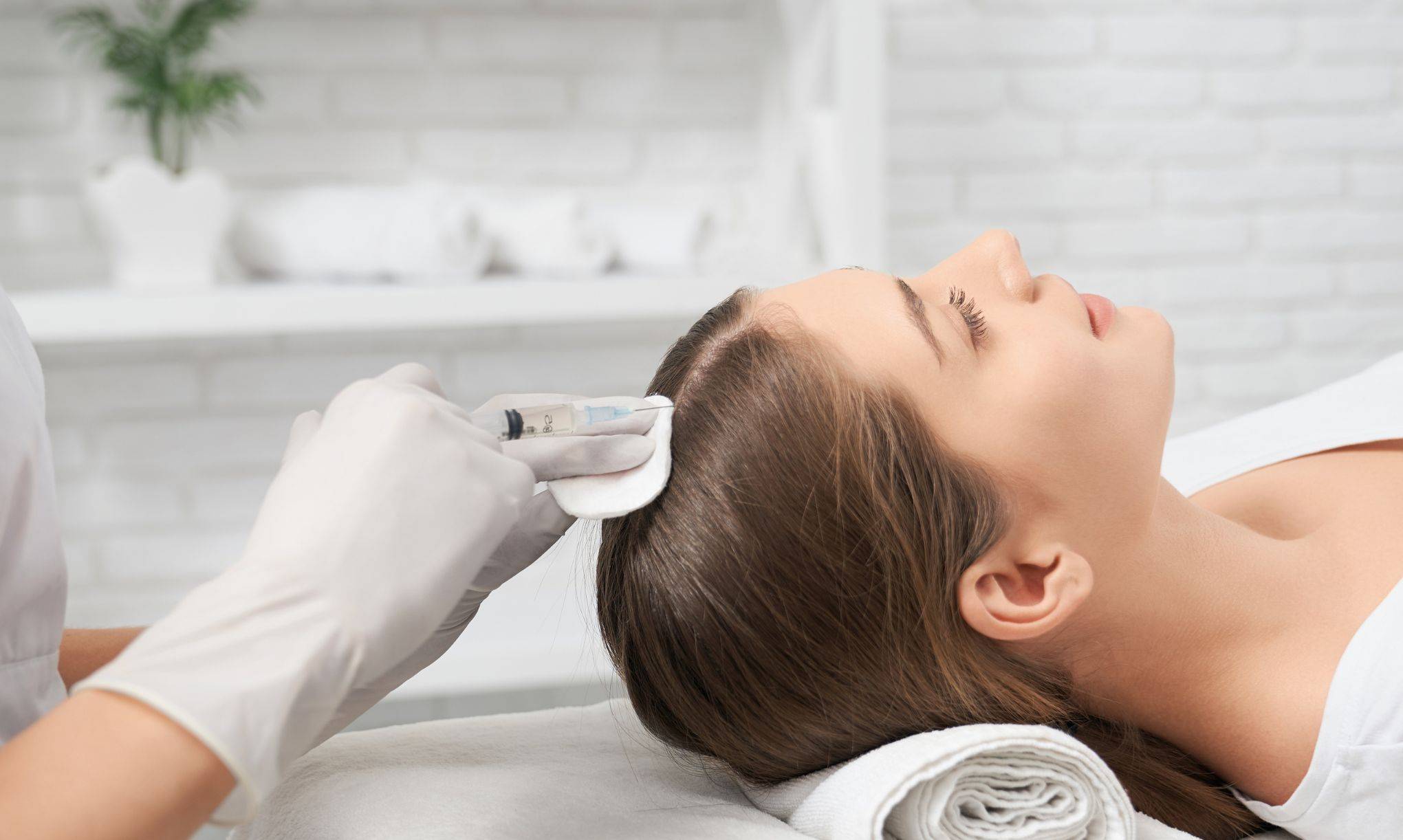
Hair restoration is no longer limited to surgical procedures. Today, specialists often recommend personalized treatment plans based on the cause, severity, and pattern of hair loss. For individuals experiencing early thinning, improving scalp health may become the first step before considering more advanced interventions. Depending on individual needs, treatment plans may include:
Scalp Therapy
Professional scalp therapy focuses on cleansing the scalp, removing excess buildup, improving hydration, and supporting a healthier scalp environment. Some treatments may also include massage techniques that encourage relaxation and temporarily increase blood circulation to the scalp.
PRP Hair Restoration
Platelet-Rich Plasma (PRP) Hair Restoration uses concentrated platelets prepared from the patient's own blood. These platelets contain naturally occurring growth factors that may have potential in supporting tissue healing and hair follicle function. PRP is commonly offered as part of a non-surgical hair restoration plan for suitable candidates.
PDO Hair Restoration
PDO Hair Restoration uses absorbable polydioxanone (PDO) threads strategically placed beneath the scalp. These threads are intended to stimulate collagen production and improve the scalp environment while supporting circulation around targeted areas. PDO is often combined with other hair restoration techniques depending on individual treatment goals.
Hair Transplant Surgery
For individuals experiencing more advanced or permanent hair loss, hair transplantation may offer a long-term solution.
Modern techniques such as Follicular Unit Extraction (FUE) involve harvesting individual hair follicles from areas with healthy hair growth before transplanting them into thinning or bald areas. Since the transplanted follicles are typically resistant to pattern hair loss, they can continue producing hair naturally over time.
Hair transplantation is commonly performed for both men and women, although the treatment approach differs depending on the pattern and cause of hair loss.
Healthy Hair Requires More Than Good Shampoo
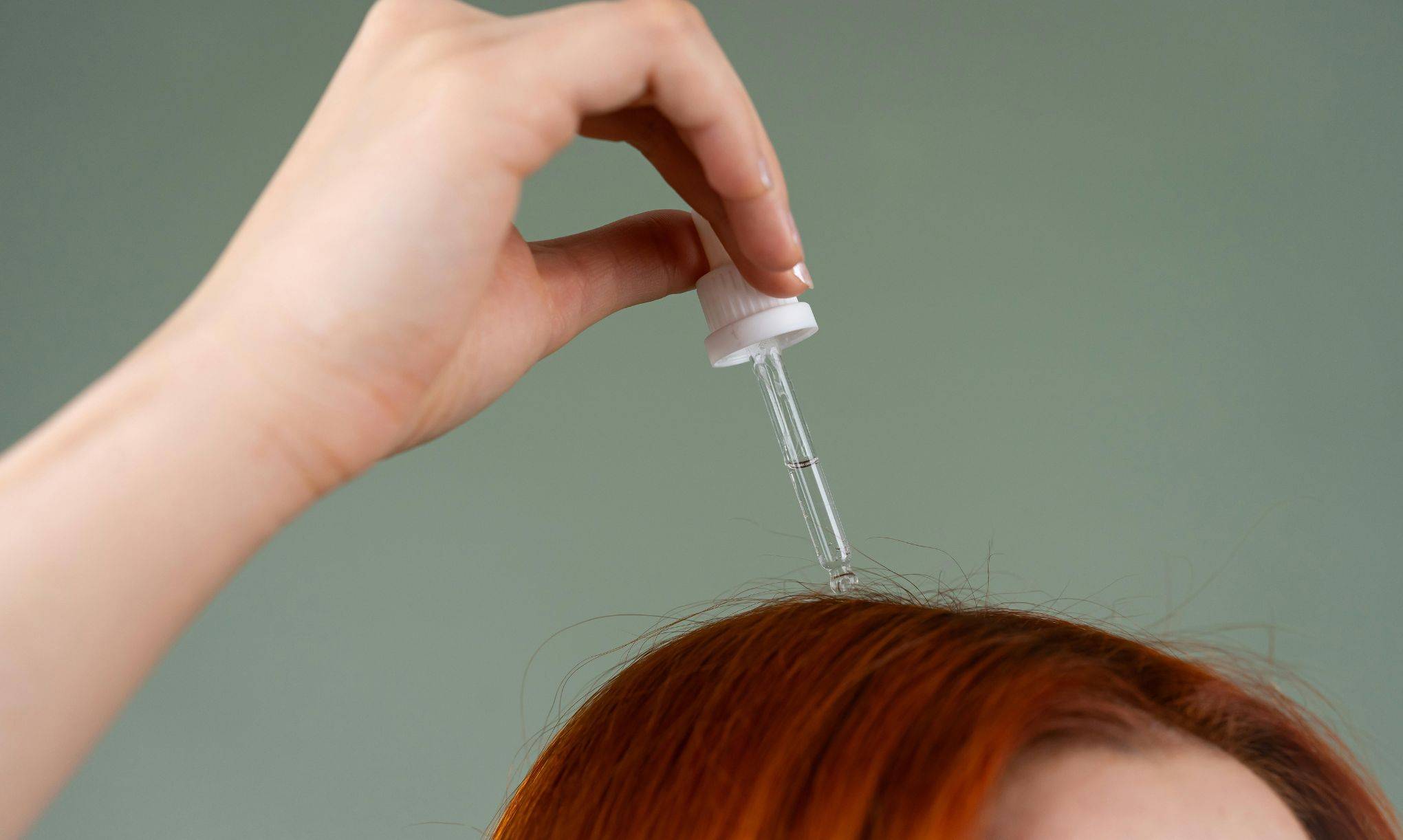
Many people invest heavily in shampoos, conditioners, hair oils, and supplements while overlooking the importance of their scalp. Although quality hair care products help maintain the hair shaft, they cannot replace the role of a healthy scalp in supporting long-term hair growth.
A balanced approach to hair health often includes:
· Maintaining good scalp hygiene
· Eating a balanced, nutrient-rich diet
· Managing stress levels
· Getting sufficient sleep
· Protecting the scalp from excessive sun exposure
· Seeking professional advice when hair loss becomes noticeable
When Is It Time to Seek Professional Advice?
Occasional hair shedding is a normal part of the hair growth cycle. However, persistent or rapidly worsening hair loss may warrant professional evaluation.
You may consider consulting a hair restoration specialist if you notice:
· Hair shedding that continues for several months
· Progressive thinning around the crown or hairline
· Widening of the hair part
· Bald patches
· Sudden hair loss following illness or significant stress
· Persistent scalp itching, redness, or discomfort
· Hair breakage accompanied by scalp problems
Early assessment allows potential underlying causes to be identified. Treatment recommendations can then be tailored to your individual needs.
Supporting Your Hair Journey with Personalized Care
Every person's hair loss journey is different. Rather than focusing solely on replacing lost hair, modern hair restoration emphasizes creating an environment where healthy hair can continue to grow and thrive. A personalized treatment plan that considers both scalp condition and hair follicle health offers a more comprehensive approach to long-term hair wellness.
If you are exploring hair restoration options, our platform, Trambellir, make it easier to compare treatments offered by affiliated clinics in different destinations. Whether you are interested in professional Scalp Therapy, non-surgical hair restoration, or advanced hair transplant procedures, consulting qualified healthcare professionals is the first step toward finding a treatment plan that suits your goals.
Frequently Asked Questions
1. Why is scalp health important for hair growth?
A healthy scalp provides the environment needed for hair follicles to function properly. Good circulation, balanced oil production, and healthy skin can help support the natural hair growth cycle.
2. Can Scalp Therapy help with hair loss?
Scalp Therapy primarily focuses on improving scalp health rather than directly treating hair loss. However, maintaining a healthier scalp may support stronger hair growth as part of a comprehensive hair care routine.
3. What is the difference between PRP and PDO?
PRP uses concentrated platelets from the patient's own blood to support normal hair follicle function, while PDO uses absorbable threads that promote collagen production and improve the scalp environment. The most appropriate treatment depends on individual needs and professional assessment.
4. When is a hair transplant recommended?
Hair transplantation is generally considered for individuals with permanent or advanced hair loss who have sufficient healthy donor hair. A consultation with a qualified doctor is necessary to determine suitability.
5. How long does it take to see results from hair restoration treatments?
Results vary depending on the treatment performed and individual factors. Many non-surgical treatments require several months before noticeable improvements appear, while hair transplant results typically continue developing over 9 to 12 months.


