


Discover why dental care is essential for overall wellness, from oral health benefits to preventive care and its connection with the body.

By Puteri Syafeeqa | July 20th, 2026
A healthy smile is often associated with confidence, but could dental health influence much more than appearance? Many people focus on brushing and maintaining clean teeth only to prevent cavities, yet oral health plays a deeper role in supporting overall wellness. The mouth is closely connected to the rest of the body, and maintaining good dental hygiene can contribute to better quality of life, comfort, and long-term health.
The mouth is the starting point of the digestive system and contains millions of bacteria, both beneficial and harmful. When oral health is neglected, harmful bacteria may increase and contribute to issues such as gum inflammation, tooth problems, and discomfort. This is why regular dental care is not only about preserving a beautiful smile but also about protecting overall well-being.
According to the World Health Organization (WHO), oral diseases affect nearly 3.5 billion people worldwide, making oral health one of the most common health concerns globally. Preventive dental care, regular check-ups, and timely treatments can help maintain healthy teeth and gums while supporting a healthier lifestyle.
The Connection Between Oral Health and Whole Body Wellness
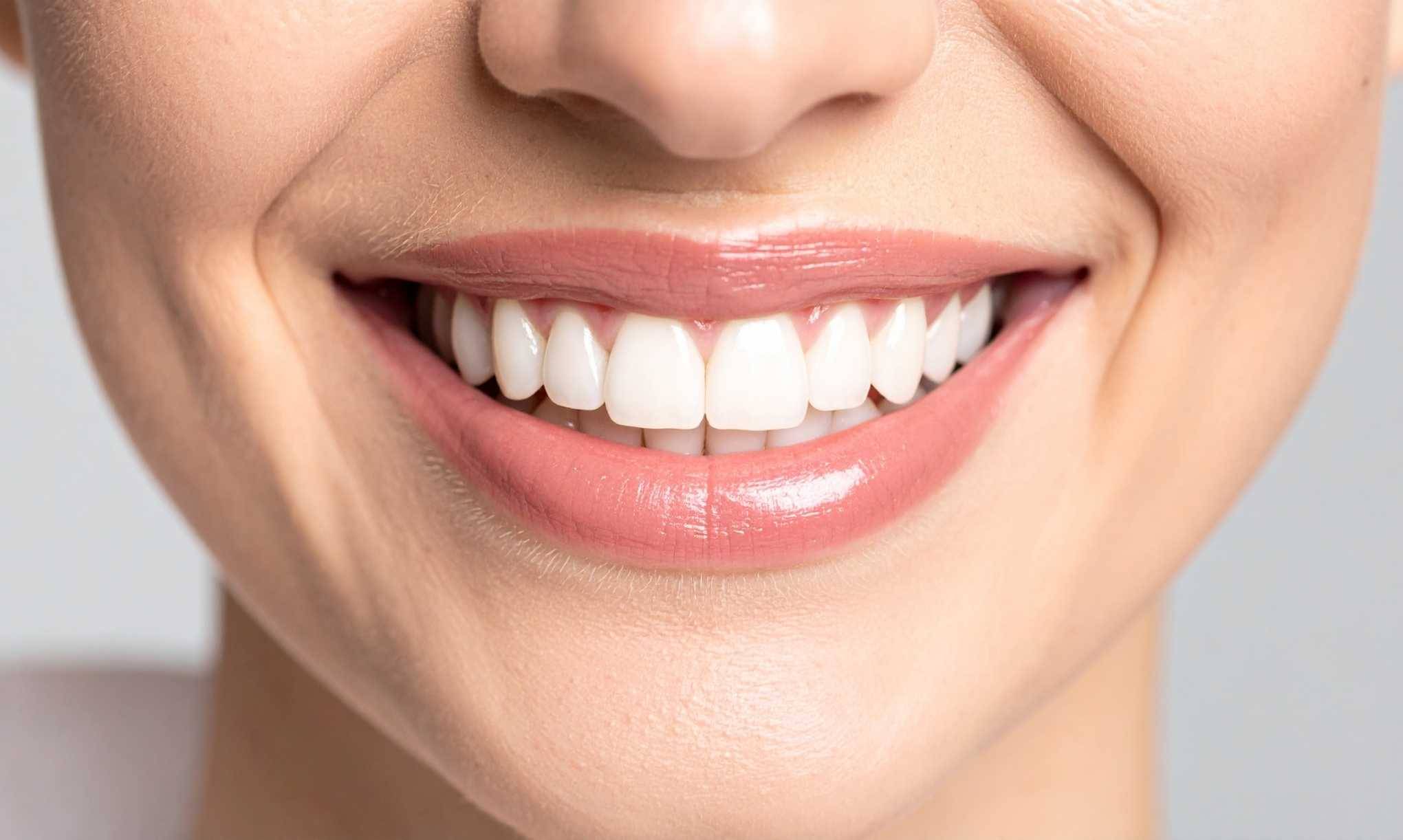
Dental health and overall wellness are closely connected because the mouth can reflect and influence conditions throughout the body. Poor oral hygiene may allow harmful bacteria to build up, increasing the risk of gum inflammation and other oral concerns.
The gums contain many blood vessels, which means inflammation in the mouth can potentially affect the body’s inflammatory response. Research has shown associations between gum disease and several health conditions, including cardiovascular diseases and diabetes. While oral health is not the sole cause of these conditions, maintaining good dental hygiene is an important part of a comprehensive approach to health.
A healthy mouth can support:
· Better chewing and digestion by maintaining strong teeth
· Clear communication through comfortable speech
· Improved confidence when smiling and interacting socially
· Reduced risk of preventable dental complications
· Better daily comfort and quality of life
Dental care should be viewed as part of a complete wellness routine, similar to maintaining a balanced diet, exercising regularly, and attending health screenings.
Preventive Dental Care Helps Protect Long-Term Oral Health
Many dental problems develop gradually without obvious symptoms during the early stages. Small cavities, early gum changes, or enamel damage may not cause immediate discomfort, but they can become more complicated if left untreated.
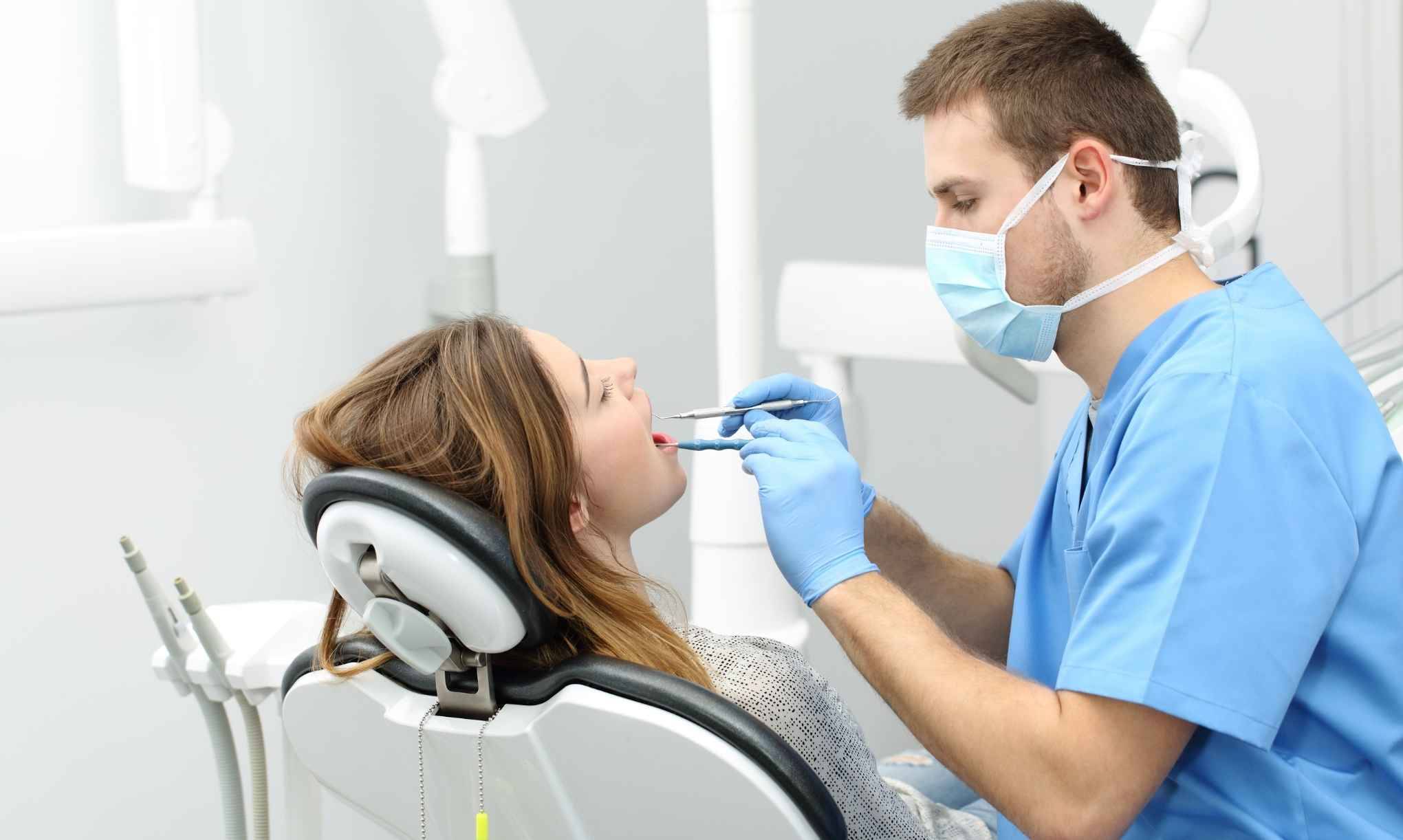
Regular dental visits allow dental professionals to identify concerns early and provide suitable recommendations. Preventive care commonly includes:
· Professional dental examinations
· Teeth cleaning to remove plaque and tartar buildup
· Gum health assessments
· Guidance on proper brushing and flossing techniques
· Monitoring changes in teeth alignment or oral conditions
The American Dental Association (ADA) recommends regular dental visits based on individual oral health needs rather than following a fixed schedule for everyone. This personalised approach helps ensure that preventive care matches each person’s dental condition and lifestyle.
Maintaining consistent dental habits at home also plays an important role. Simple daily practices such as brushing twice a day with fluoride toothpaste, cleaning between teeth, and limiting frequent sugary snacks can support healthier teeth and gums.
How Dental Health Can Influence Confidence and Quality of Life

A healthy smile can have a significant impact on emotional well-being and everyday interactions. Tooth discomfort, missing teeth, or visible dental concerns may affect confidence and make some individuals feel less comfortable when speaking, eating, or smiling.
Dental wellness goes beyond appearance because comfortable teeth and healthy gums support essential daily activities. Enjoying a wide range of foods, communicating clearly, and feeling confident in social situations are all connected to good oral health.
Modern dental services offer various solutions designed to support both function and aesthetics. Depending on individual needs, dental treatments may include:
· Teeth whitening to enhance smile brightness
· Dental restorations to repair damaged teeth
· Orthodontic solutions to improve tooth alignment
· Dental implants to replace missing teeth
· Preventive treatments to maintain oral health
Access to suitable dental care allows individuals to address concerns early while maintaining a healthy and confident smile.
The Role of Nutrition and Lifestyle in Maintaining Healthy Teeth
Dental health is influenced by daily lifestyle choices, especially nutrition. The foods and drinks consumed regularly can affect tooth enamel, bacteria levels, and gum health.

A balanced diet that includes essential nutrients supports strong teeth and healthy gums. Calcium, phosphorus, vitamin D, and vitamin C are important nutrients involved in maintaining oral structures and supporting normal tissue health.
Helpful habits for better dental wellness include:
· Drinking sufficient water to help wash away food particles
· Choosing nutrient-rich foods such as vegetables, fruits, and dairy products
· Reducing frequent consumption of sugary beverages and snacks
· Avoiding tobacco products that can negatively affect oral health
· Maintaining regular dental appointments
Good dental care works best when combined with healthy lifestyle habits. Small daily choices can create long-term benefits for both oral and general wellness.
Why Regular Dental Check-Ups Should Be Part of Wellness Planning
Many individuals prioritise annual health screenings but overlook dental examinations. However, dental check-ups are an important component of preventive healthcare because oral issues can develop quietly.
During a dental examination, professionals can assess teeth, gums, and other areas of the mouth to identify potential concerns. Early detection often allows for simpler management and may help prevent more complex procedures in the future.
Dental health services available through trusted providers can support individuals looking to maintain or improve their oral wellness. At Trambellir, various dental health services are available through affiliated clinics, helping individuals explore suitable dental solutions based on their needs and goals.
Prioritising dental care as part of a wellness routine encourages a proactive approach rather than waiting until discomfort appears. A healthy smile is not only a reflection of good hygiene but also an important part of maintaining overall health.
Building a Sustainable Dental Wellness Routine
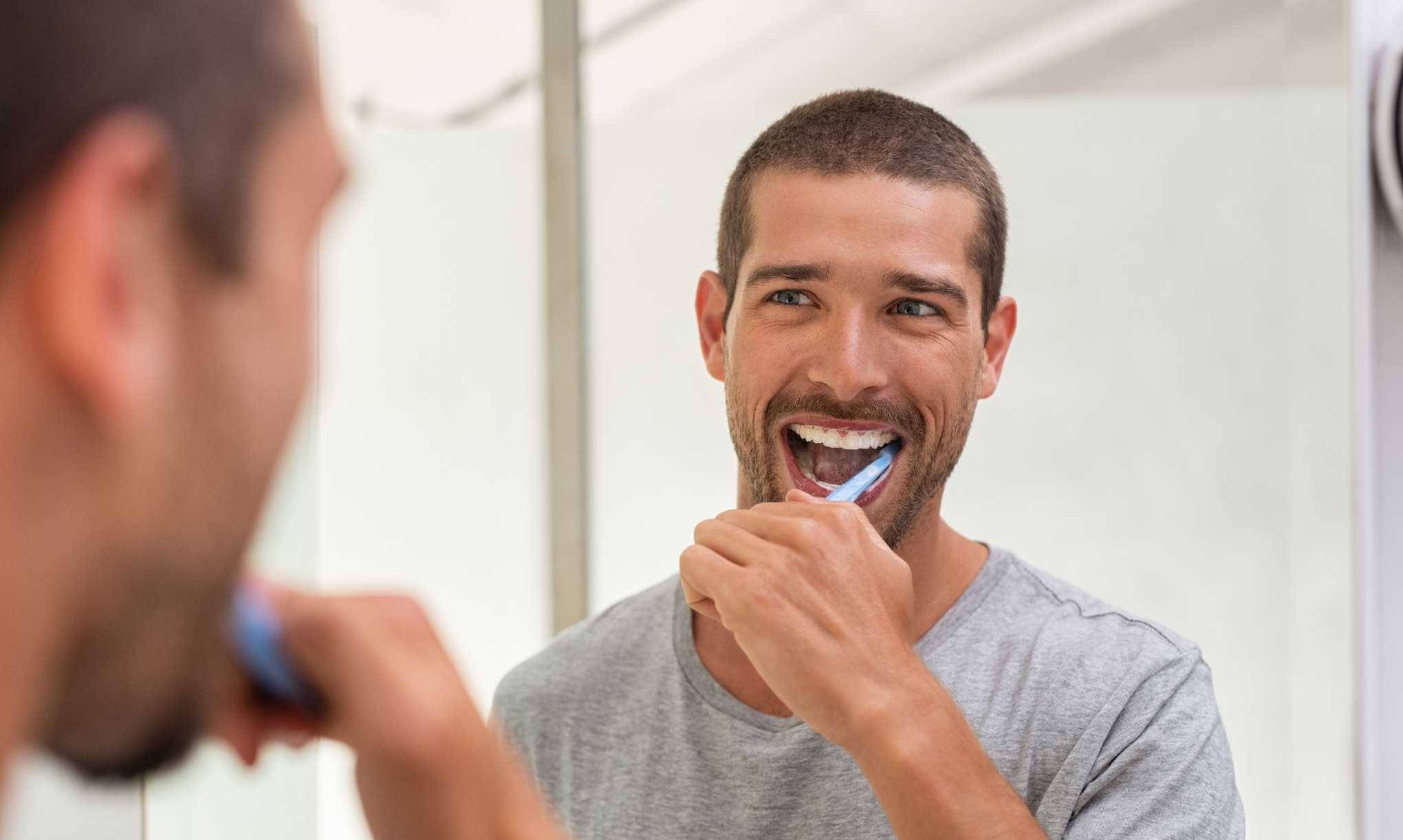
Creating a dental care routine does not require complicated changes. Consistency is often the most important factor in maintaining good oral health.
A simple dental wellness routine may include:
Morning Care
· Brush teeth with fluoride toothpaste
· Clean between teeth using floss or suitable alternatives
· Rinse the mouth after meals when possible
Daily Habits
· Choose balanced meals
· Drink enough water
· Avoid excessive sugary snacks throughout the day
Professional Care
· Schedule dental examinations based on dental needs
· Follow recommended treatments and maintenance plans
· Seek professional advice when experiencing changes in oral health
Dental wellness is a lifelong commitment. By combining daily care with professional guidance, individuals can support healthier teeth, stronger gums, and improved overall well-being.
Frequently Asked Questions About Dental Care and Overall Wellness
1. Why is dental care important for overall wellness?
Dental care is important because oral health is connected with general health. Maintaining healthy teeth and gums can support daily comfort, proper eating, communication, and prevention of dental problems.
2. How often should dental check-ups be scheduled?
The frequency of dental check-ups depends on individual oral health conditions, lifestyle, and risk factors. A dental professional can recommend a suitable schedule based on personal needs.
3. Can poor oral health affect other parts of the body?
Poor oral health may contribute to inflammation and has been associated with certain health conditions. Maintaining good dental hygiene is an important part of supporting overall wellness.
4. What are the most important daily habits for healthy teeth?
Important habits include brushing twice daily with fluoride toothpaste, cleaning between teeth, maintaining a balanced diet, drinking water, and attending regular dental examinations.
5. Are dental treatments only for improving appearance?
No. While some dental treatments can enhance smile aesthetics, many procedures also improve oral function, comfort, and long-term dental health. Dental care focuses on both wellness and confidence.


