


Compare keratin and hair botox treatments, their benefits, differences, and which suits your hair type for smoother, healthier-looking strands.
By Puteri Syafeeqa | June 4th, 2026
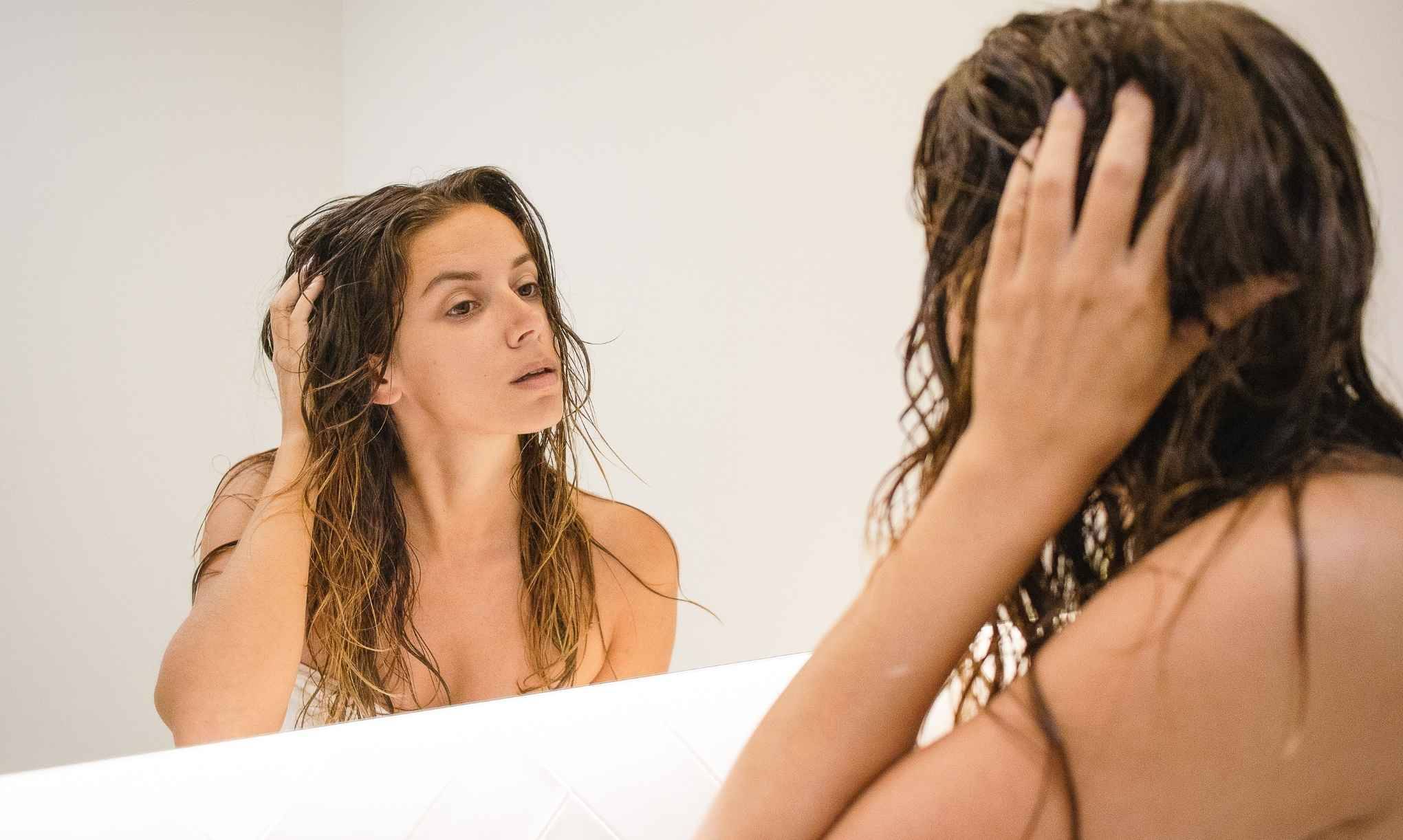
If you have ever stood in front of a mirror wondering why your hair refuses to behave—despite masks, oils, and countless salon visits you are not alone. Heat styling, pollution, coloring, and even humidity can quietly weaken the hair structure over time. This is why smoothing and repair treatments like keratin and hair botox have become so popular worldwide.
But here is the real question: Do you want straighter, sleeker hair, or deeply repaired, healthier strands from within? The answer often determines which treatment suits you better.
Both keratin and hair botox aim to improve hair appearance and manageability, yet they work in very different ways. Understanding these differences can help you avoid disappointment and choose a treatment that truly matches your hair goals.
What Keratin Treatment Really Does to Your Hair
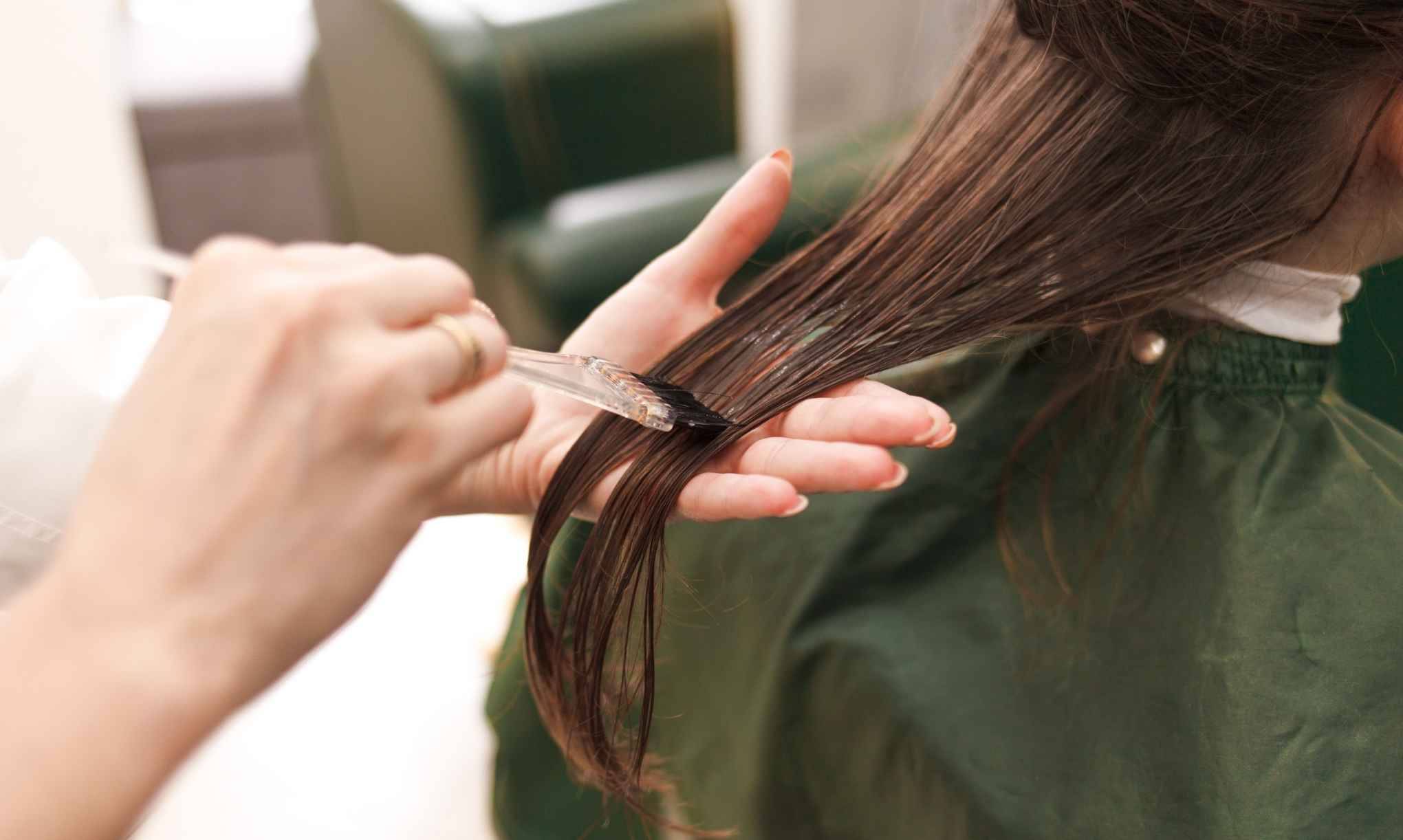
Keratin treatment is widely known for its ability to transform frizzy, unmanageable hair into smooth, shiny strands. It works by infusing keratin protein into the hair cuticle and sealing it with heat, typically using a flat iron.
Keratin is a natural protein already found in hair, skin, and nails. Over time, chemical treatments, heat styling, and environmental stress reduce keratin levels in the hair shaft. By replenishing it externally, the treatment temporarily smooths the cuticle layer.
Key effects of keratin treatment include:
· Reduces frizz and puffiness significantly
· Makes hair appear straighter and more polished
· Cuts down styling time dramatically
· Enhances shine and softness
However, keratin treatments often come with trade-offs. Some formulations may contain formaldehyde or formaldehyde-releasing ingredients, which help lock in the smoothing effect but may cause sensitivity in some individuals. The U.S. Food and Drug Administration (FDA) has noted concerns about formaldehyde exposure in certain hair smoothing products, emphasizing proper ventilation and formulation safety.
Results typically last around 2 to 4 months, depending on hair type and aftercare. It is most suitable for individuals who prioritize sleekness and straightening effects over internal hair repair.
How Hair Botox Works to Repair and Revive Strands
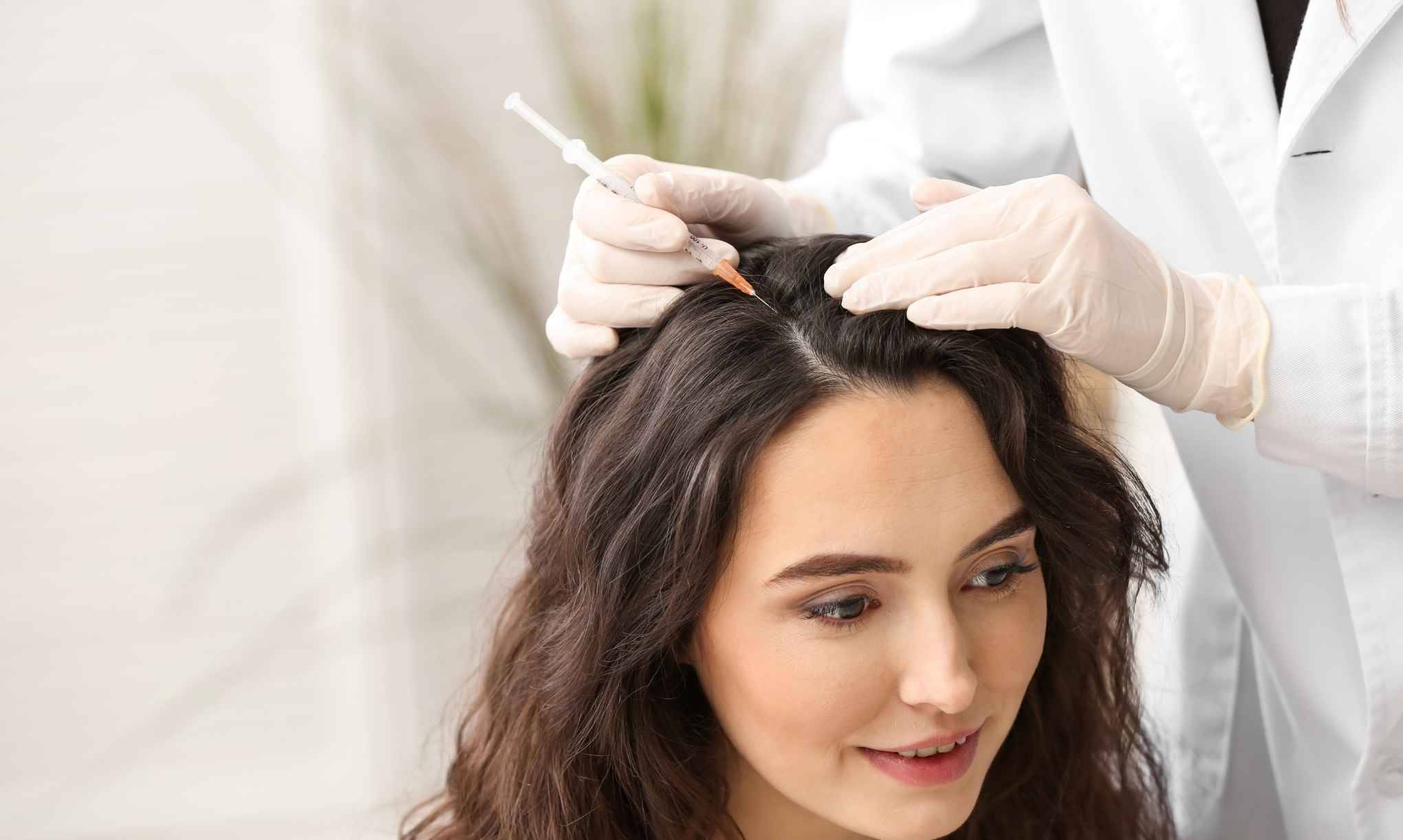
Despite its name, hair botox does not contain botulinum toxin. Instead, it is a deep conditioning treatment filled with ingredients such as amino acids, vitamins, proteins, collagen, and natural oils.
Unlike keratin, hair botox focuses less on straightening and more on repairing fiber damage from the inside out. It works by filling in gaps and breaks along the hair shaft, improving elasticity and strength.
During the process, the product is applied to clean hair and left to penetrate deeply before being sealed, often with mild heat.
Key benefits of hair botox include:
· Restores damaged and weakened hair fibers
· Improves hair thickness and volume appearance
· Reduces frizz without making hair pin-straight
· Enhances hydration and softness
Hair botox is especially appealing for individuals with bleached, chemically treated, or extremely dry hair. It provides a more natural finish compared to keratin, allowing the hair’s original texture to remain while improving its health and appearance.
Dermatological insights published in journals such as the Journal of Cosmetic Dermatology highlight that protein- and lipid-based treatments can improve hair fiber integrity temporarily by coating and filling damaged cuticles, supporting the science behind treatments like hair botox.
Keratin vs Hair Botox: Key Differences That Matter
While both treatments promise smoother, more manageable hair, their goals and outcomes are not the same. Choosing between them depends on what your hair truly needs.
Keratin is primarily a cosmetic smoothing system, while hair botox is a restorative conditioning treatment.
Here’s how they differ in practical terms:
Keratin treatment is ideal if you want:
· Straighter, sleeker hair with reduced wave or curl
· Long-lasting frizz control
· Faster daily styling routines
Hair botox is ideal if you want:
· Healthier, stronger-looking hair
· Frizz reduction without losing natural texture
· Repair for damaged or chemically treated strands
Another key difference lies in chemical intensity. Keratin treatments may involve stronger smoothing agents, while hair botox is generally considered gentler and more nourishing.
Longevity also differs slightly. Keratin effects often last longer in terms of visible straightness, while hair botox may fade more gradually as hydration and repair benefits diminish.
In short:
· Keratin = structure + smoothness
· Hair botox = repair + nourishment
Which Treatment Fits Your Hair Type and Lifestyle?
Your hair condition and daily habits play a major role in determining the better option.
If your hair is extremely frizzy, thick, or resistant to styling, keratin may provide the control you’re looking for. It reduces styling time significantly, making it a favorite for those with busy lifestyles or frequent exposure to humidity.
On the other hand, if your hair feels dry, brittle, or over-processed from bleaching or coloring, hair botox may be a more suitable choice. It restores softness and resilience without altering your natural wave pattern too aggressively.
Consider these quick guidelines:
· Choose keratin if: you want straighter, salon-finished hair daily
· Choose hair botox if: you want healthier hair with natural movement
· Combine carefully (professional advice needed): for severely damaged hair requiring both smoothing and repair
For individuals unsure about what their hair truly needs, consultation-based services such as those available through platforms like Trambellir can help match you with suitable clinics and treatment plans based on hair condition and goals.
Aftercare, Longevity, and What Results to Expect
Proper aftercare is essential for both treatments, as it directly affects how long the results last.
After keratin treatment:
· Avoid washing hair for 48 to 72 hours
· Use sulfate-free shampoos to prevent early fading
· Limit saltwater and chlorine exposure
· Reduce frequent heat styling
After hair botox:
· Wash hair gently after 24 to 48 hours (depending on clinic advice)
· Use hydrating, sulfate-free products
· Apply leave-in conditioners to maintain softness
· Avoid excessive heat to prolong nourishment effects
In terms of longevity:
· Keratin typically lasts 2 to 4 months
· Hair botox generally lasts 1 to 3 months, depending on hair care routine
Results vary based on hair porosity, chemical history, and maintenance habits. Neither treatment is truly permanent, but both can significantly improve hair appearance and manageability when done correctly.
For those exploring professional options, Trambellir also provides access to curated hair treatment clinics that focus on customized care, ensuring individuals receive treatments suited to their hair health rather than a one-size-fits-all approach.
Frequently Asked Questions (FAQs)
1. Is keratin treatment safe for all hair types?
Keratin is generally safe for most hair types, but individuals with sensitive scalps or chemically fragile hair should consult a professional before treatment.
2. Does hair botox actually contain botulinum toxin?
No, hair botox does not contain botulinum toxin. It is named for its smoothing and “filling” effect on damaged hair fibers.
3. Which treatment lasts longer, keratin or hair botox?
Keratin usually lasts slightly longer in terms of visible straightness, while hair botox offers shorter but nourishing results.
4. Can I color my hair after these treatments?
It is recommended to wait at least 1 to 2 weeks before coloring to maintain treatment effectiveness.
5. Which is better for damaged bleached hair?
Hair botox is generally better for bleached or highly damaged hair due to its restorative and moisturizing properties.


