


Discover how daily lifestyle habits influence skin aging and learn practical ways to maintain healthier, younger-looking skin.
By Puteri Syafeeqa | July 9th, 2026
Have you ever wondered why some people seem to maintain healthy, glowing skin despite getting older, while others develop wrinkles and dullness much earlier? Although genetics certainly play a role, everyday lifestyle choices have a significant impact on how the skin ages. The habits practiced today can influence how skin looks and functions years from now.
Skin aging is a natural biological process that cannot be completely prevented. However, research shows that many external factors-known as extrinsic aging-can accelerate visible signs of aging more than chronological age alone. Everything from sun exposure and sleep quality to diet and stress levels contributes to the condition of the skin.
Understanding these factors makes it possible to make informed choices that support healthier skin over time. Whether the goal is prevention or improving existing concerns, adopting healthier habits can make a noticeable difference.
Understanding Skin Aging Beyond Wrinkles
Skin aging involves gradual structural and functional changes in the skin. While fine lines and wrinkles are the most recognizable signs, aging also affects skin elasticity, hydration, firmness, texture, and overall radiance.
There are two main types of skin aging:
· Intrinsic aging: The natural aging process influenced by genetics and time.
· Extrinsic aging: Aging caused by environmental and lifestyle factors.
Research suggests that extrinsic factors contribute substantially to visible skin aging. This means daily decisions can either slow down or accelerate the appearance of aging.
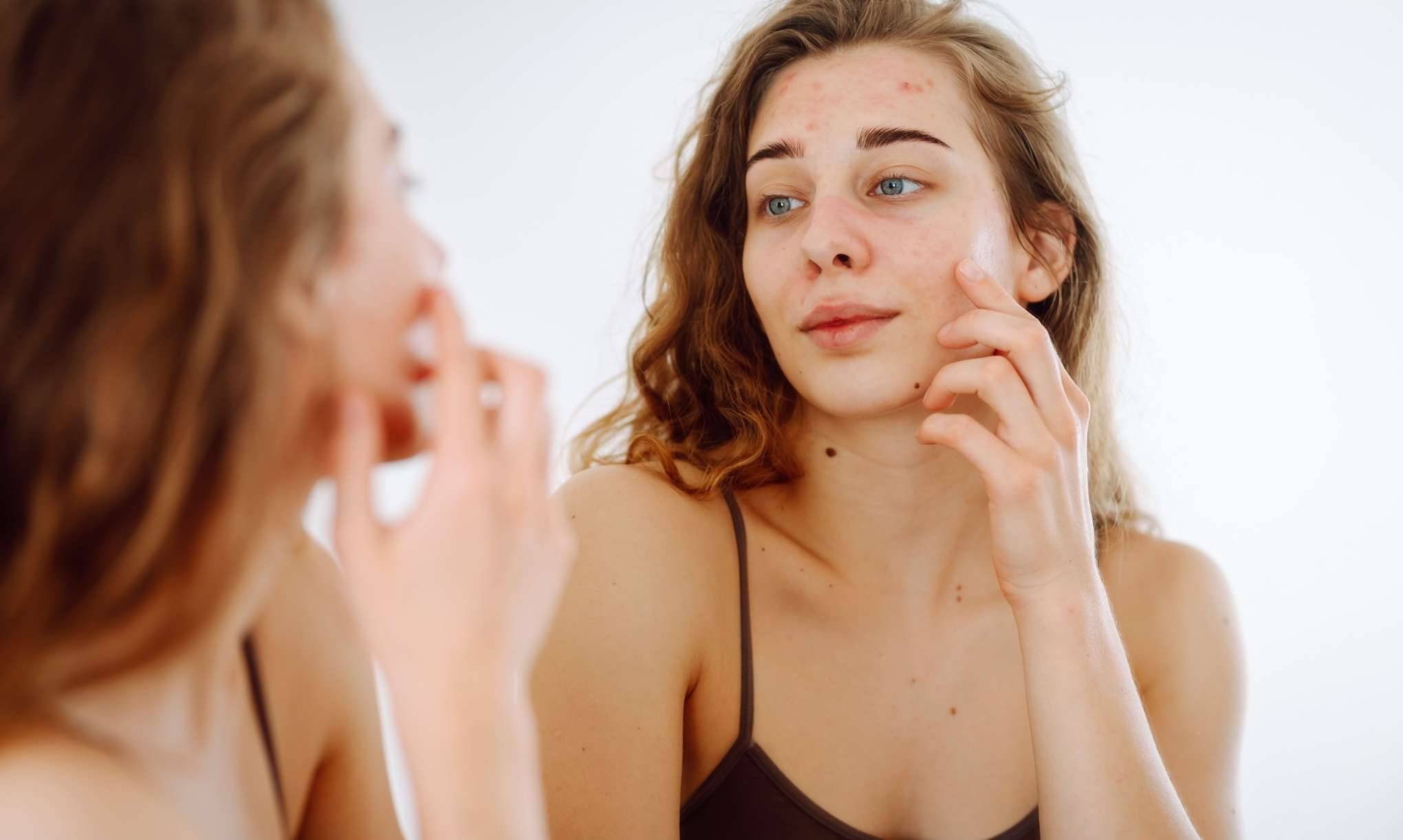
Common signs include:
· Fine lines and deeper wrinkles
· Loss of firmness
· Dryness
· Age spots
· Slower wound healing
Fortunately, many of these changes can be managed through healthier lifestyle choices combined with appropriate skincare and professional treatments.
Sun Exposure: The Biggest Lifestyle Factor Behind Premature Aging
Among all lifestyle habits, excessive ultraviolet (UV) exposure remains the leading cause of premature skin aging, often called photoaging.
UV rays penetrate the skin and gradually damage collagen and elastin, the proteins responsible for maintaining skin strength and elasticity. Over time, repeated exposure accelerates:
· Wrinkles
· Rough texture
· Broken capillaries
Even short periods of daily sun exposure accumulate over the years.
To help reduce UV-related skin aging:

Apply broad-spectrum sunscreen with SPF 30 or higher every day.
· Reapply sunscreen when outdoors for extended periods.
· Wear protective clothing and sunglasses.
· Seek shade during peak sunlight hours.
· Avoid intentional tanning.
Consistent sun protection remains one of the most effective anti-aging habits supported by scientific evidence.
Nutrition and Skin Health Start on the Plate
Healthy skin requires nutrients that support repair, collagen production, and protection against oxidative stress.
A balanced diet rich in antioxidants may help protect skin cells from damage caused by free radicals.
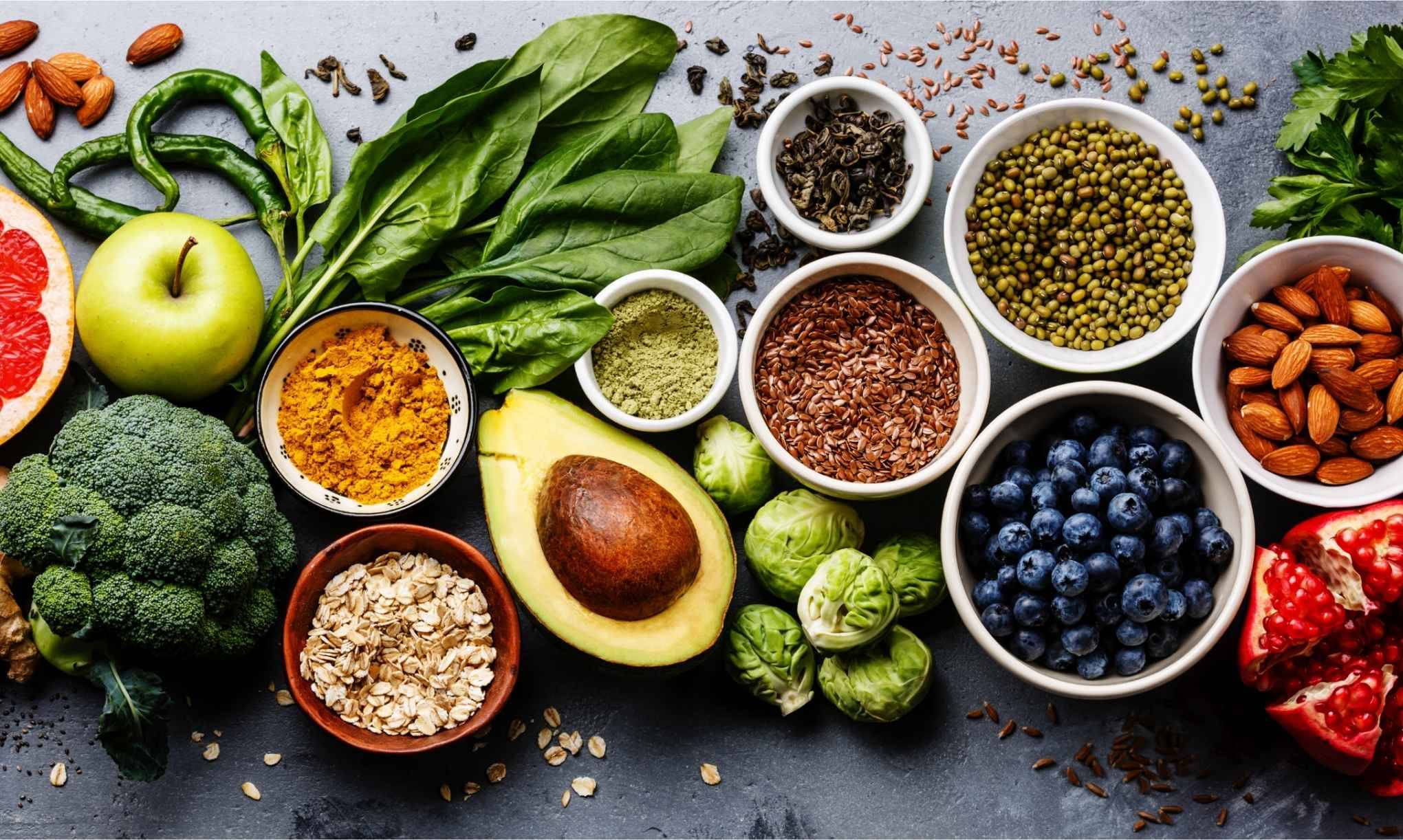
Skin-supportive foods include:
· Colorful fruits and vegetables
· Fatty fish rich in omega-3 fatty acids
· Nuts and seeds
· Whole grains
· Beans and legumes
· Green leafy vegetables
Several nutrients are especially important:
· Vitamin C supports collagen synthesis.
· Vitamin E helps protect skin from oxidative damage.
· Zinc contributes to skin repair.
· Omega-3 fatty acids help maintain the skin barrier.
On the other hand, diets high in refined sugar and processed foods may contribute to glycation, a process that can weaken collagen and elastin fibers over time.
Hydration also matters. Drinking enough water supports overall health, while maintaining the skin barrier through adequate hydration and moisturization helps improve skin comfort and appearance.
Sleep: Your Skin's Overnight Recovery System

Sleep is often referred to as the body's natural repair period—and the skin is no exception.
During quality sleep, the body increases tissue repair and produces hormones involved in recovery. Poor or insufficient sleep has been associated with:
· Dull complexion
· Increased fine lines
· Slower skin barrier recovery
· Dark circles
· Reduced skin hydration
Adults generally benefit from seven to nine hours of quality sleep each night.
Simple habits that may improve sleep quality include:
· Maintaining a consistent bedtime.
· Keeping the bedroom cool and dark.
· Avoiding caffeine late in the day.
Healthy sleep supports not only skin appearance but also overall physical and mental well-being.
How Stress Accelerates Skin Aging
Modern life often comes with chronic stress, and the skin frequently reflects it.
Persistent stress increases cortisol production. Elevated cortisol may influence several skin processes, including inflammation, collagen breakdown, and impaired skin barrier function.
Stress can also worsen existing skin conditions such as acne, eczema, and psoriasis, creating additional challenges for maintaining healthy skin.
Healthy stress management may include:
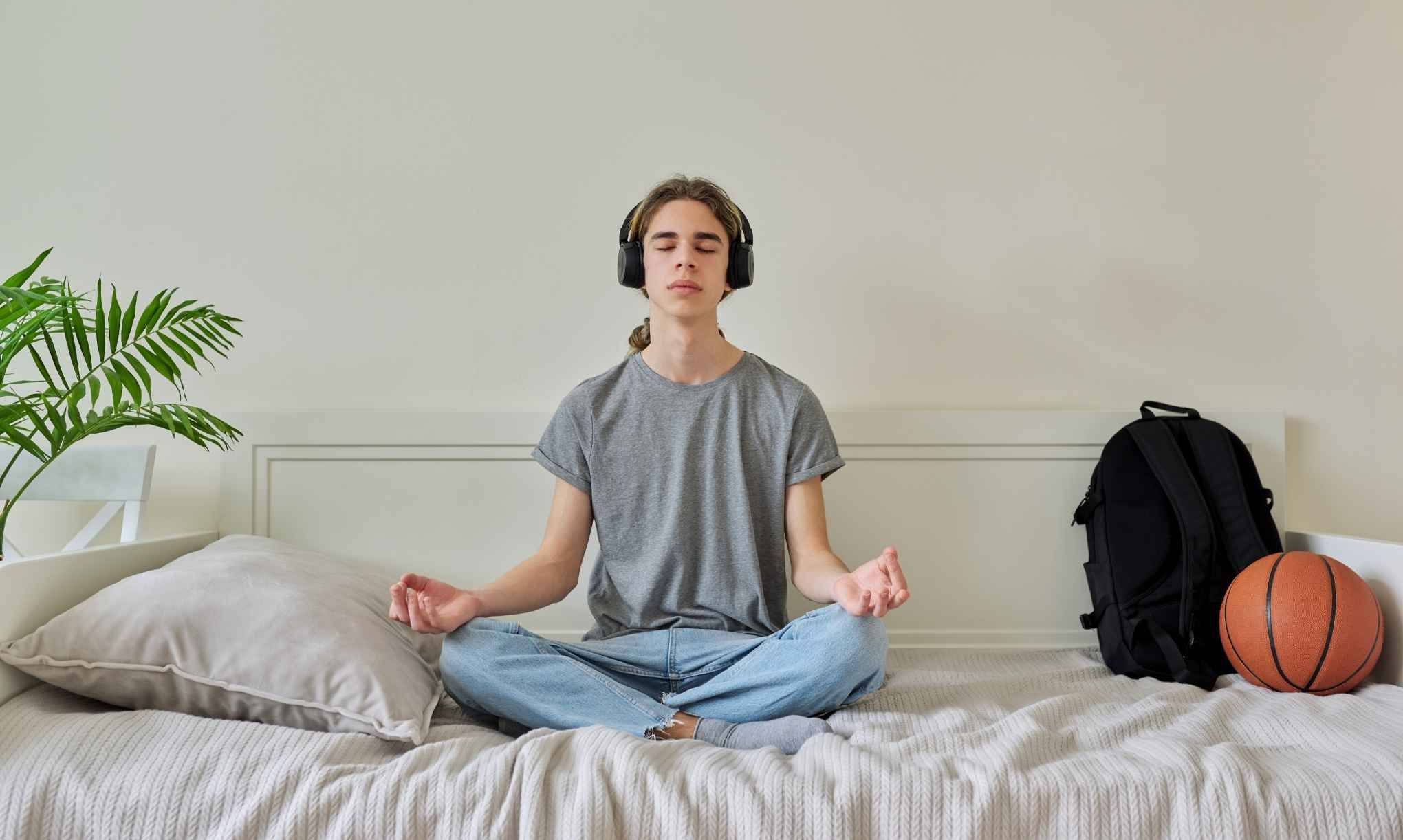
· Regular physical activity
· Meditation or mindfulness practices
· Deep breathing exercises
· Spending time outdoors
· Maintaining social connections
· Enjoying relaxing hobbies
Managing stress consistently benefits both emotional wellness and long-term skin health.
Smoking, Alcohol, and Their Visible Effects on the Skin
Certain lifestyle habits can accelerate skin aging more dramatically than others.
Smoking
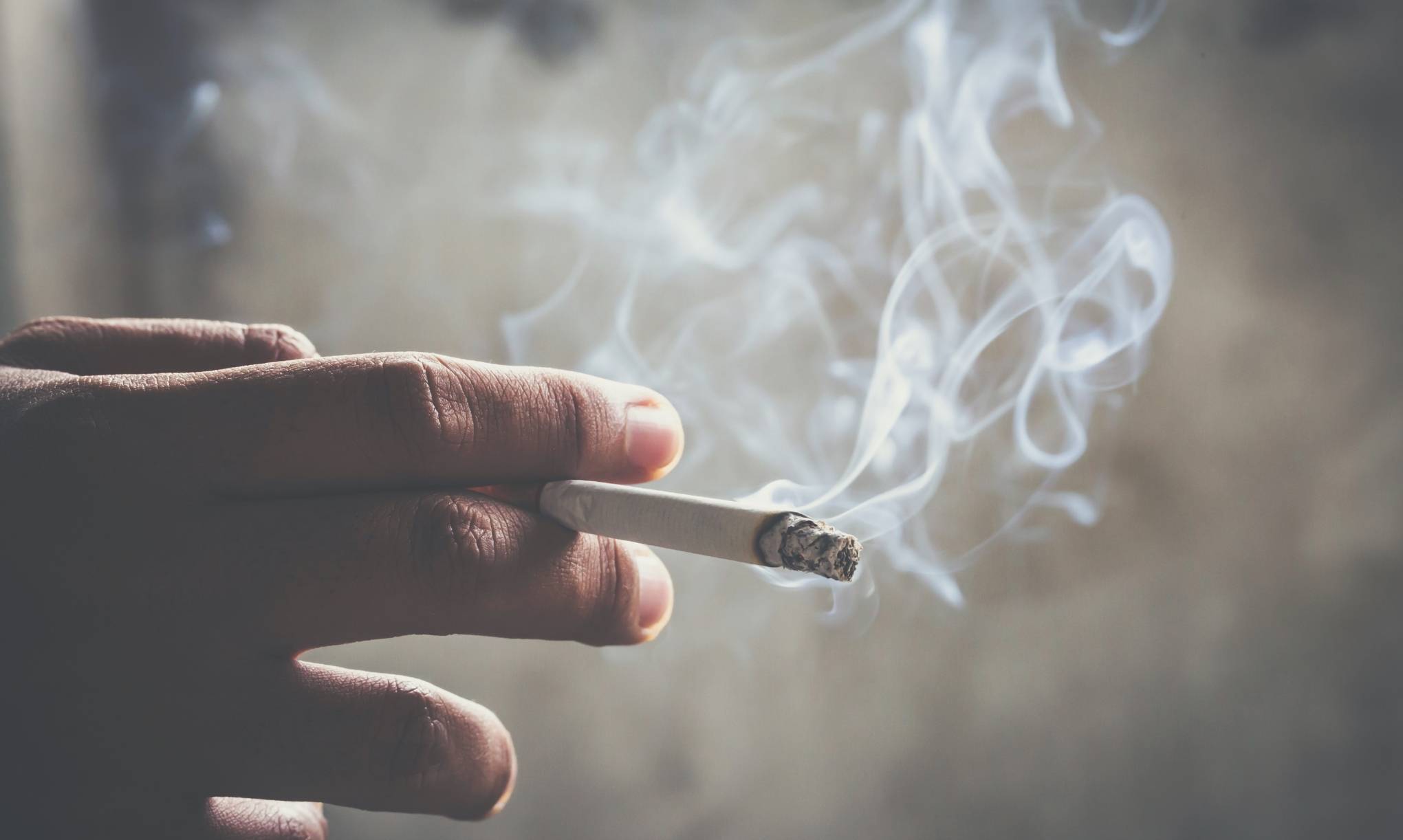
Smoking reduces blood flow to the skin and limits oxygen delivery. It also increases oxidative stress and damages collagen fibers.
Visible effects may include:
· Premature wrinkles
· Dull skin tone
· Reduced elasticity
· Delayed wound healing
Stopping smoking can improve overall health while helping reduce further skin damage.
Alcohol

Excessive alcohol consumption may contribute to dehydration and inflammation.
Over time, frequent heavy drinking may lead to:
· Dry skin
· Puffiness
· Facial redness
· Uneven complexion
Moderation, together with proper hydration, supports healthier-looking skin.
Exercise and Circulation: A Natural Glow From Within

Regular physical activity benefits nearly every organ—including the skin.
Exercise improves blood circulation, allowing oxygen and nutrients to reach skin cells more efficiently. It also supports cardiovascular health, stress reduction, and better sleep, all of which indirectly benefit the skin.
After exercise, proper cleansing is important to remove sweat and excess oil, especially for individuals prone to acne.
Combining regular movement with balanced nutrition creates a strong foundation for healthier skin as people age.
Everyday Skincare Habits That Support Healthy Aging
Lifestyle choices extend beyond food and exercise. Daily skincare habits also influence long-term skin health.
A simple routine often works better than an overly complicated one.
Consider including:
· Gentle cleansing
· Daily sunscreen
· Moisturizer suited to skin type
· Antioxidant products, such as vitamin C
· Retinoids when recommended by a qualified healthcare professional
· Avoiding harsh scrubbing and excessive exfoliation
Consistency matters more than using numerous products.
Professional skin assessments can also help identify concerns early and guide appropriate treatment options based on individual skin needs.
When Professional Treatments Can Complement Healthy Habits
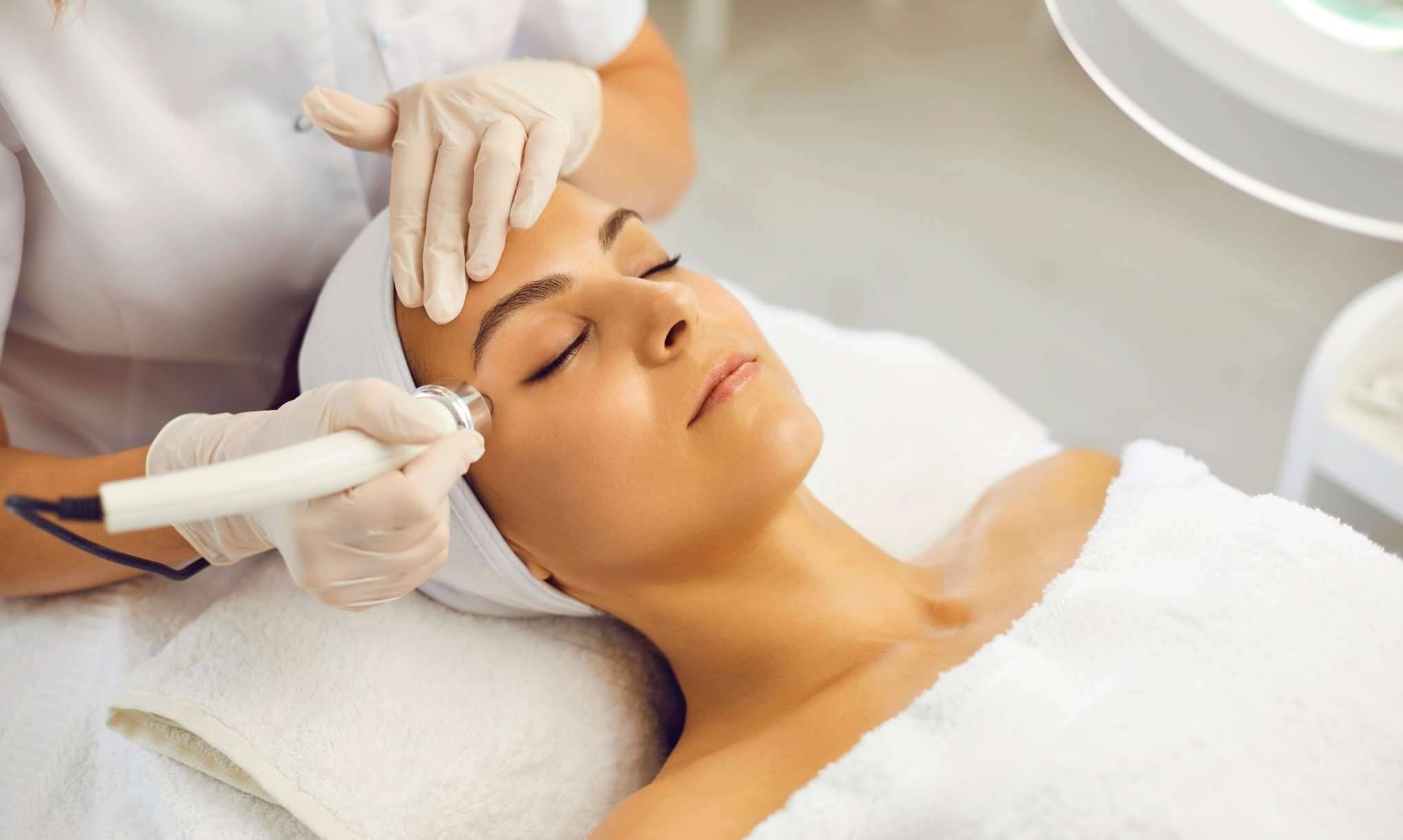
Healthy lifestyle choices provide the foundation for healthier skin, but they cannot completely stop the natural aging process.
For concerns such as fine lines, pigmentation, uneven texture, or reduced skin firmness, some individuals choose professional aesthetic treatments alongside healthy daily habits.
Depending on personal goals and professional assessment, options may include:
· Skin rejuvenation treatments
· Medical facials
· Collagen-stimulating procedures
These treatments work best when combined with consistent sun protection, healthy nutrition, good sleep, and proper skincare.
Those exploring beauty and lifestyle services can also compare treatment options through platforms like Trambellir, which connects users with a range of wellness and aesthetic services across multiple destinations.
Healthy Habits Today, Healthier Skin Tomorrow
Skin aging is influenced by far more than birthdays. Every meal, every night of quality sleep, every walk outdoors with sunscreen, and every healthy lifestyle decision contributes to how the skin ages over time.
While no routine can completely prevent aging, evidence consistently shows that healthy lifestyle choices can help preserve skin function, improve overall appearance, and reduce many signs associated with premature aging.
Combining healthy daily habits with professional guidance when appropriate offers a balanced approach to maintaining healthier-looking skin throughout life. Small improvements made consistently often produce meaningful results over the years.
Frequently Asked Questions
1. Can lifestyle changes really slow down skin aging?
Yes. While aging cannot be stopped, healthy habits such as sun protection, balanced nutrition, quality sleep, stress management, and avoiding smoking can help reduce the effects of premature skin aging.
2. What is the biggest cause of premature skin aging?
Excessive exposure to ultraviolet (UV) radiation is widely recognized as the leading external cause of premature skin aging, often referred to as photoaging.
3. Does drinking more water prevent wrinkles?
Staying hydrated supports overall health and helps maintain the skin barrier, but drinking more water alone does not prevent wrinkles. A combination of healthy lifestyle habits and appropriate skincare is more effective.
4. Which foods are good for healthy skin?
Foods rich in antioxidants, vitamin C, vitamin E, omega-3 fatty acids, zinc, fruits, vegetables, whole grains, nuts, seeds, and fatty fish help support healthy skin.
5. Can aesthetic treatments replace a healthy lifestyle?
No. Professional treatments can improve certain signs of skin aging, but they work best when combined with healthy lifestyle habits, daily sun protection, and a consistent skincare routine.


