


Healthy, radiant skin is often associated with good skincare habits, balanced nutrition, and advanced aesthetic treatments. But what if the future of skin rejuvenation lies in microscopic messengers that help skin cells communicate and repair themselves?

By Kath Wong | March 9th, 2026
In recent years, exosome-based skin treatments have gained attention in the aesthetic and regenerative medicine fields. Known for their role in cellular communication and tissue repair, exosomes are increasingly being explored for their potential to support skin rejuvenation, improve texture, and promote a healthier-looking complexion.
But what exactly are exosomes, and how can they support skin health? Understanding the science behind this emerging treatment can help you decide whether it may be a suitable option for your skincare goals.
What Are Exosomes In Skincare?
Exosomes are tiny extracellular vesicles naturally released by cells. Their primary role is to act as messengers, carrying proteins, lipids, growth factors, and genetic material that help cells communicate and coordinate biological processes.
In regenerative medicine, exosomes are studied for their ability to support cellular repair and regeneration. According to research published in the journal Stem Cell Research & Therapy, exosomes play a key role in tissue healing by delivering signaling molecules that influence cell behavior and regeneration (Kalluri & LeBleu, 2020). When used in aesthetic treatments, exosomes are applied to the skin—often after procedures that create microchannels in the skin—to help enhance the skin’s natural repair process.
The idea is simple: by supporting cellular communication, exosomes may help the skin appear healthier, smoother, and more revitalised over time.
How Exosome Skin Treatments Work
Exosome treatments are typically used as adjunct therapies to enhance skin rejuvenation procedures. Instead of acting as fillers or volumizers, they support the skin’s natural renewal process. During treatment, exosome serums or solutions are applied to the skin following procedures that temporarily increase skin permeability. These may include microneedling, laser therapy, or other skin-rejuvenating treatments.
Once applied, exosomes may interact with skin cells and support processes related to:
· Skin repair and regeneration
· Collagen and elastin production
· Skin barrier recovery
· Improved hydration and texture
Because exosomes function at the cellular communication level, their effects are generally focused on overall skin quality rather than immediate structural changes. Many aesthetic practitioners describe the results as gradual improvements in skin clarity, smoothness, and radiance. Although research in aesthetic dermatology is still evolving, exosome-based treatments are being explored for several potential skin concerns.
Supporting Skin Repair And Recovery
One of the most notable roles of exosomes is their involvement in tissue healing. In aesthetic treatments, this may translate into enhanced skin recovery after procedures such as microneedling or laser treatments.
Improving Skin Texture And Smoothness
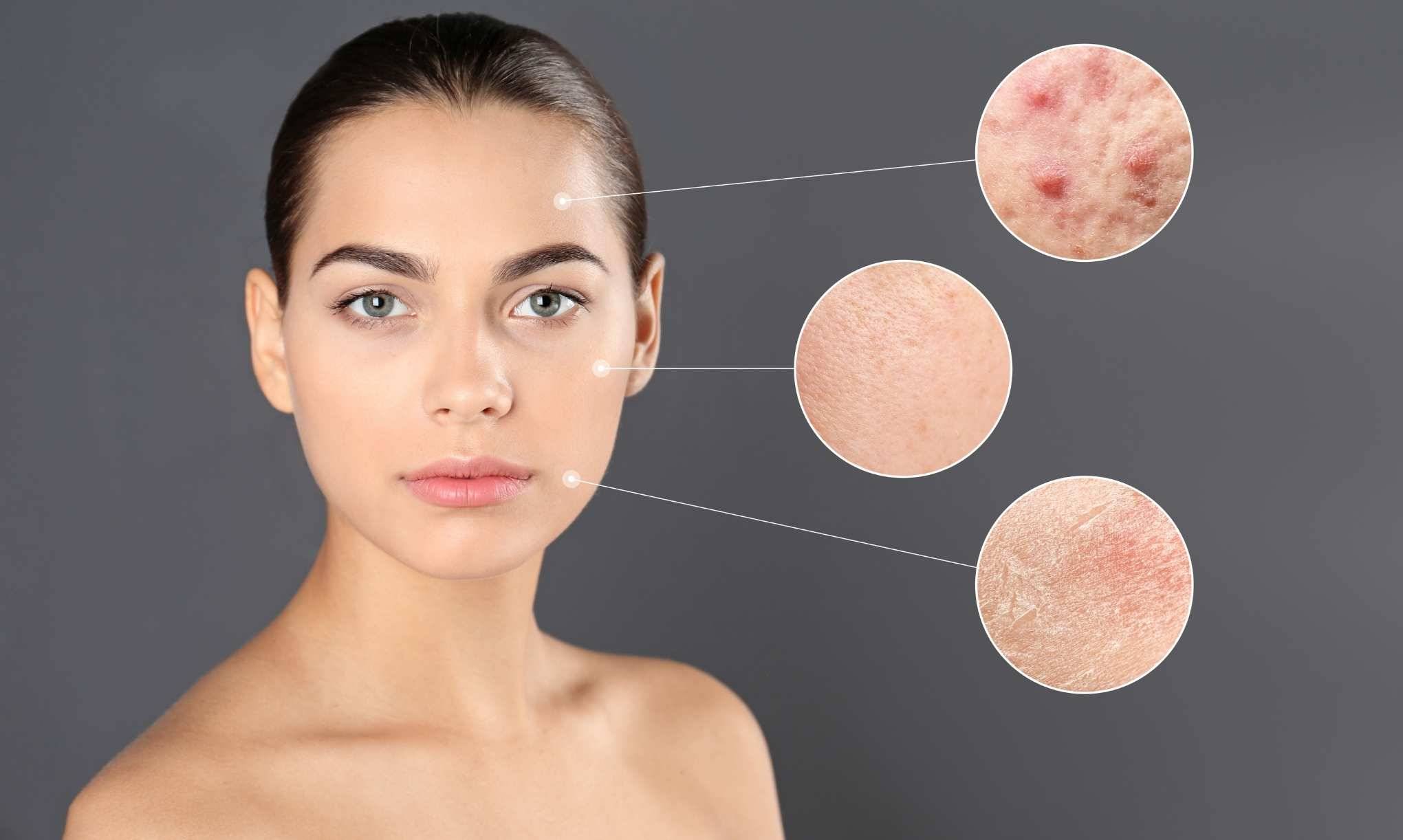
Skin texture issues—such as roughness, enlarged pores, or uneven tone—are often linked to slower cell turnover and reduced collagen production. By supporting cell signaling involved in regeneration, exosome treatments may help promote a smoother skin surface and more refined texture over time.
Enhancing Skin Radiance
Many people seek treatments that help restore a healthy glow. Exosomes are believed to influence biological pathways associated with collagen production and skin renewal, which may contribute to brighter and more refreshed-looking skin. While results can vary depending on skin condition and treatment combination, patients often report a more revitalised appearance in the weeks following treatment.
Who May Consider Exosome Skin Treatments?
Exosome therapy is often considered by individuals looking to support skin health and improve overall skin quality.
It may be suitable for those experiencing:
· Dull or tired-looking skin
· Uneven skin texture
· Early signs of skin aging
· Skin recovery after aesthetic procedures
As the treatment focuses on regeneration rather than volume correction, it is commonly used alongside other aesthetic procedures that stimulate the skin’s renewal process. A qualified practitioner can assess your skin condition and recommend whether exosome therapy may complement your existing skincare or treatment plan.
What To Expect During An Exosome Skin Treatment
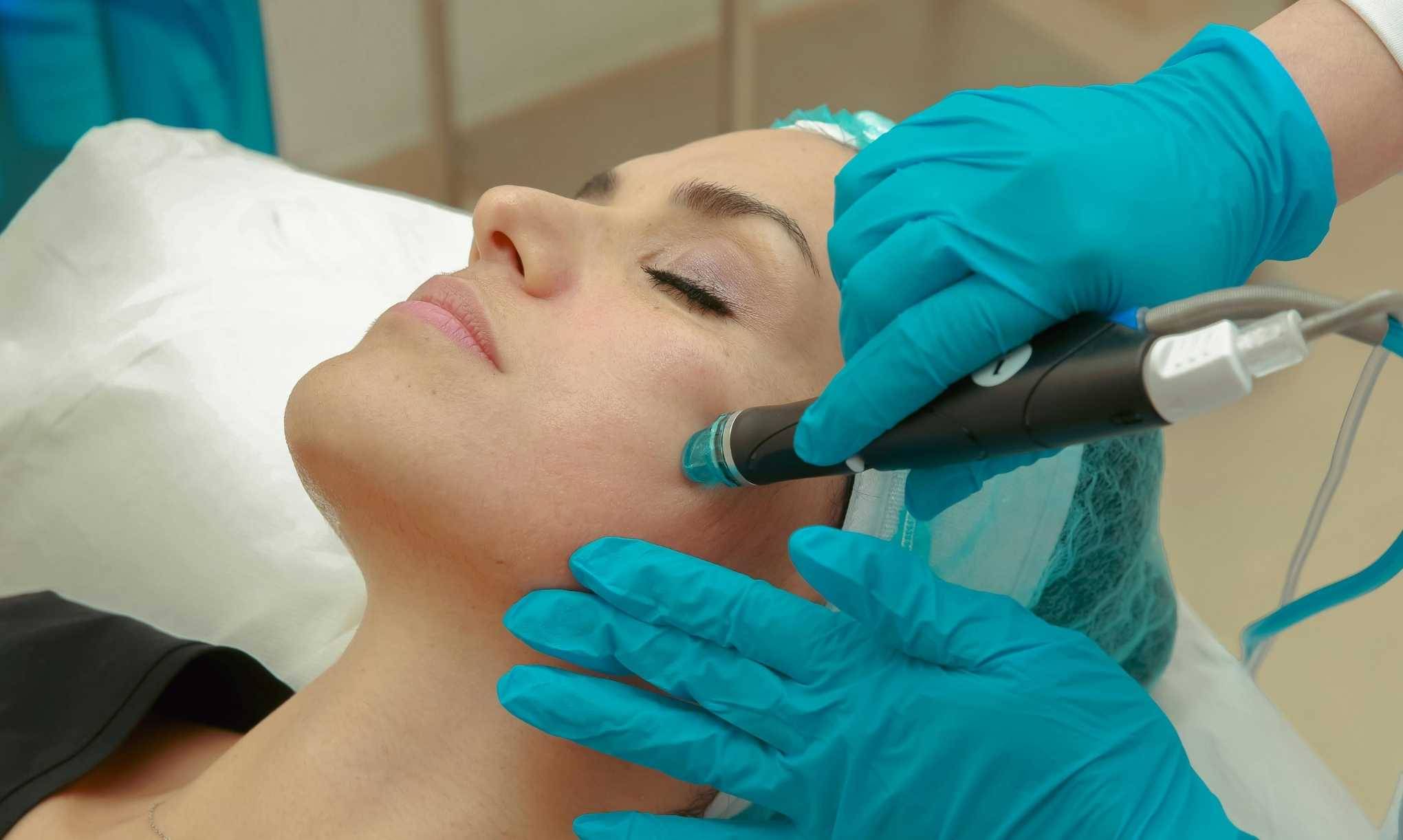
The exact procedure can vary depending on the clinic and the combination treatment used. However, a typical session generally follows several steps. First, the skin is cleansed and prepared. A rejuvenation procedure such as microneedling or laser treatment may be performed to create controlled microchannels in the skin. After this step, the exosome solution is applied topically to the treatment area. These microchannels allow the solution to penetrate more effectively.
Most sessions take around 45 to 90 minutes, depending on the treatment combination. Patients often notice improvements gradually over several weeks as the skin continues its natural renewal cycle.
Combining Exosome Therapy With Modern Aesthetic Treatments
Exosomes are often used in combination with other advanced skin treatments to support the skin’s regenerative response. These combinations may include procedures that stimulate collagen production or improve skin texture. The goal is to create a treatment plan that encourages natural skin renewal while supporting recovery.
For individuals exploring international aesthetic options, curated platforms like Trambellir provide access to clinics offering a wide range of skin treatments, including emerging regenerative therapies. Such platforms allow patients to compare treatment options and consult experienced professionals before deciding on the most suitable approach.
Are Exosome Skin Treatments Safe?
Safety is an important consideration in any aesthetic treatment. Exosome-based therapies used in clinical settings are typically derived from controlled laboratory processes designed for medical or cosmetic use.
However, research in this area is still developing, and regulatory standards may vary by country.

The Future Of Regenerative Skincare
Exosomes represent an exciting direction in regenerative aesthetics. Instead of simply masking skin concerns, these treatments aim to support the biological processes that help skin repair and renew itself.
As scientific research continues to evolve, exosome therapy may become an increasingly important component of personalized skincare and aesthetic medicine.
For individuals interested in exploring innovative skin treatments abroad, services such as those available through Trambellir help connect patients with internationally recognized clinics offering advanced skincare technologies.
By combining expert care with cutting-edge treatments, regenerative approaches like exosome therapy may offer new possibilities for maintaining healthy, vibrant skin.
FAQs
Q1. How long does it take to see results from exosome skin treatments?
Results vary depending on the individual and the combination treatment used. Many people notice improvements in skin texture and radiance within a few weeks as the skin completes its natural renewal cycle.
Q2. Are exosome treatments the same as stem cell therapy?
Not exactly. Exosomes are tiny vesicles released by cells that carry signaling molecules, while stem cell therapy involves the use of live stem cells. Exosomes are often studied for their ability to support cellular communication and regeneration.
Q3. How many sessions of exosome treatment are usually needed?
The number of sessions depends on the individual’s skin condition and treatment goals. Some people benefit from a single session combined with another procedure, while others may undergo multiple sessions over several months.
Q4. Can exosome treatments help with acne scars?
Exosome therapy may support skin regeneration and collagen production, which could help improve the appearance of certain acne scars when used alongside other treatments such as microneedling or laser therapy.
Q5. Is there downtime after exosome skin treatment?
Downtime depends on the procedure combined with exosome application. When used with treatments like microneedling or laser therapy, mild redness or sensitivity may occur for a short period, but recovery time is generally manageable.


