


Learn what causes a double chin, whether it can be prevented, and discover treatment options that may help create a more defined jawline.
By Fara Farid | June 16th, 2026
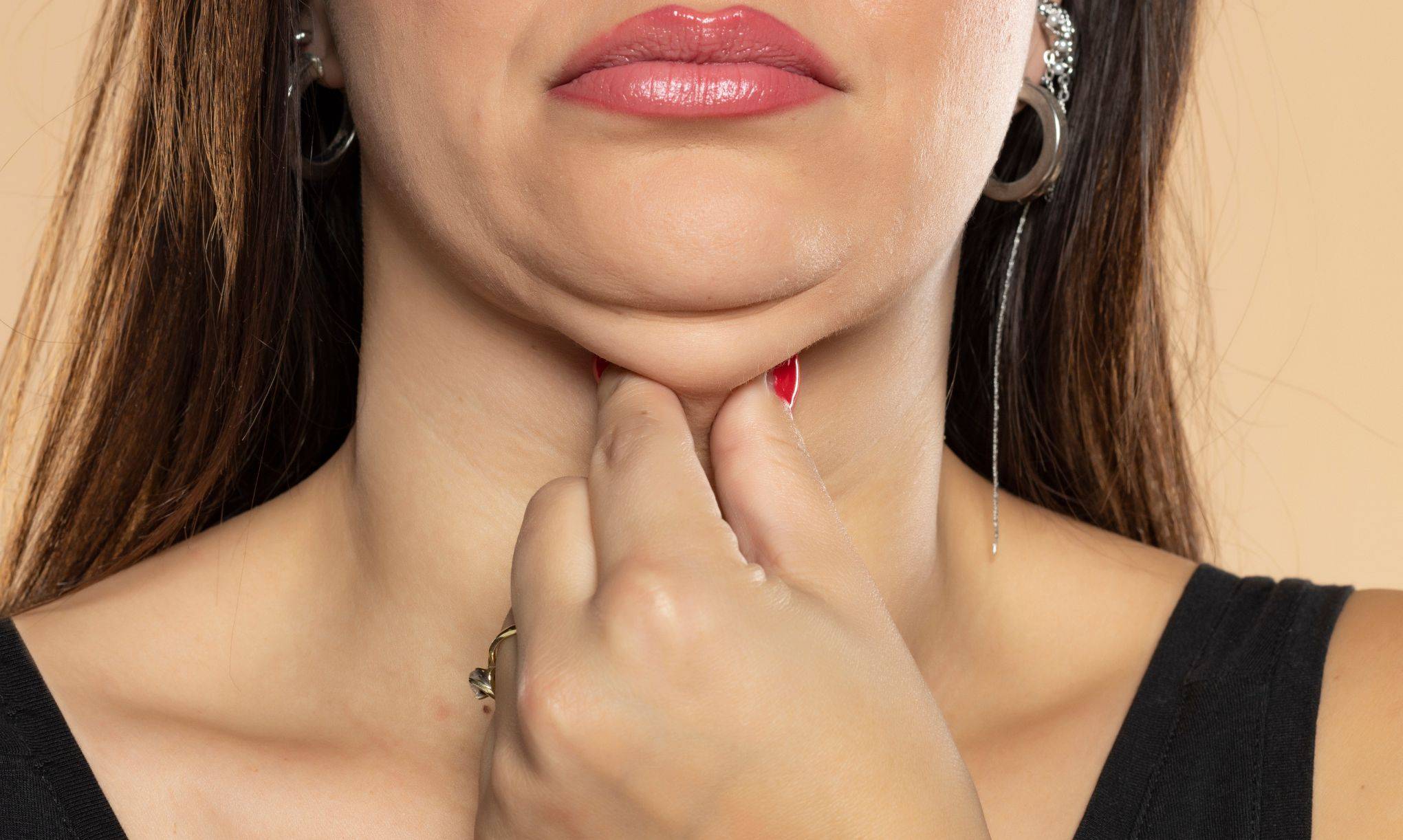
Have you ever looked in the mirror or seen a photo of yourself and wondered where that extra fullness beneath your chin came from? A double chin is one of the most common aesthetic concerns among both men and women, and surprisingly, it isn't always linked to being overweight.
While excess body fat can contribute to a double chin, many people with healthy body weights also develop fullness beneath the chin due to genetics, aging, or changes in skin elasticity. Fortunately, advances in aesthetic medicine have made it possible to address this concern through both non-surgical and surgical approaches.
Understanding why a double chin develops is the first step toward finding the treatment that best suits your goals.
What Exactly Is a Double Chin?
A double chin, medically known as submental fullness, refers to the accumulation of fat, loose skin, or soft tissue beneath the chin that creates the appearance of a second chin. The condition may become visible only from certain angles or remain noticeable regardless of posture.
Although harmless from a medical standpoint, many individuals seek treatment because a double chin can affect facial proportions and make the jawline appear less defined.
Several structures contribute to the appearance of the lower face, including:
· Submental fat beneath the chin
· Skin elasticity
· Neck muscles, particularly the platysma muscle
· Bone structure of the jaw and chin
Changes in one or more of these structures may contribute to the development of a double chin.
Why Do Double Chins Develop?

There is rarely a single cause. Instead, several factors often work together.
Genetics:
Your genes largely determine where your body stores fat and how your facial structure develops. Some people naturally inherit a smaller chin, weaker jawline, or a tendency to accumulate fat beneath the chin.
Even individuals with a slim body frame may notice submental fullness because of inherited facial anatomy.
Aging:
As we age, collagen and elastin production gradually decline. These proteins help maintain firm, elastic skin.
According to the American Academy of Dermatology, collagen production decreases with age, contributing to skin laxity and reduced structural support. As the skin becomes less firm, it may begin to sag beneath the jawline, making a double chin appear more noticeable.
Loss of muscle tone and changes in fat distribution can further contribute to this process.
Weight Gain:
Weight gain is one of the most recognizable causes of a double chin.
When excess calories are stored as body fat, deposits can accumulate in multiple areas, including beneath the chin. However, not everyone gains facial fat at the same rate, which explains why some people develop a double chin earlier than others.
Even after losing weight, some residual fat or loose skin may remain.
Poor Posture:
Although poor posture does not directly create a double chin, prolonged forward-head posture may weaken neck muscles over time and exaggerate the appearance of fullness beneath the chin.
Maintaining good posture helps improve neck alignment but should not be considered a standalone treatment for submental fullness.
Is It Always Fat?
Not necessarily.
Many people assume every double chin is caused by excess fat, but this is not always true. The appearance may result from:
· Loose or sagging skin
· Loss of collagen and skin elasticity
· Weak chin projection
· Natural facial anatomy
· Enlarged submental fat pads
· Muscle laxity
This is why two people with similar body weights may have very different jawline definitions.
Can Lifestyle Changes Reduce a Double Chin?

Lifestyle improvements can certainly help, especially if excess body fat contributes to the condition.
Healthy habits include:
· Maintaining a balanced diet
· Regular physical activity
· Staying hydrated
· Getting sufficient sleep
· Maintaining a stable body weight
Weight loss may reduce fat beneath the chin for some individuals. However, if genetics, aging, or loose skin are the primary causes, lifestyle changes alone may not completely eliminate submental fullness.
This is one reason why many people explore aesthetic treatments after reaching a healthy weight.
Modern Treatments That May Improve a Double Chin
Treatment options have expanded significantly in recent years, allowing doctors to tailor solutions according to the underlying cause rather than using a one-size-fits-all approach.
HIFU (High-Intensity Focused Ultrasound)
· HIFU is a non-invasive treatment that uses focused ultrasound energy to stimulate collagen production in deeper skin layers. Rather than removing fat directly, HIFU primarily works by tightening lax skin and improving skin firmness beneath the chin and along the jawline. Over several months, new collagen forms naturally, gradually creating a firmer and more defined appearance. HIFU is often recommended for individuals whose primary concern is mild to moderate skin laxity rather than large fat deposits.
· Fat-dissolving injections target localized pockets of fat beneath the chin using injectable compounds designed to break down fat cells. Over time, the body naturally processes and removes the treated fat. Multiple sessions are often recommended depending on the amount of submental fullness present. This option is generally considered for individuals with good skin elasticity and localized fat beneath the chin.
· Forma uses bipolar radiofrequency to gently heat the skin, encouraging collagen remodeling and improving skin elasticity. It is commonly used for mild skin tightening around the lower face and neck and may be suitable as part of a maintenance plan.
· For individuals with more significant fat deposits beneath the chin, liposuction offers a surgical option that removes fat directly through a small cannula. Because fat is physically removed, results are typically more immediate than non-surgical treatments, although recovery time is longer.
· When loose skin is the primary concern rather than excess fat, surgical lifting procedures may provide more noticeable improvement. These procedures tighten underlying tissues and remove excess skin to create a sharper jawline and smoother neck contour.
· Sometimes the issue is not excess fat but a naturally recessed chin. Chin implants or chin fillers can improve facial proportions, making the jawline appear more defined and reducing the appearance of a double chin without removing any fat.

A More Defined Jawline Starts With Understanding The Cause
A double chin is a common concern that can affect people of all ages and body types. While excess fat is one possible cause, skin laxity, genetics, facial anatomy, and aging also play important roles in shaping the appearance of the lower face.
The good news is that modern aesthetic medicine offers a wide range of treatment options, from non-invasive skin tightening procedures to fat reduction treatments and surgical contouring. The most suitable solution depends on the underlying cause rather than the appearance alone.
If you are considering options to improve jawline definition, platforms like Trambellir allow you to explore aesthetic clinics and compare facial contouring treatments available across destinations such as South Korea, Japan, Thailand, and Turkey. Learning about the available options can help you make a more informed decision based on your individual goals and preferences.
FAQs
1. Can slim people have a double chin?
Yes. Genetics, facial structure, and reduced skin elasticity can all contribute to a double chin, even in individuals with a healthy body weight.
2. Does losing weight always remove a double chin?
Not necessarily. Weight loss may reduce fat beneath the chin, but loose skin or inherited facial anatomy can still leave submental fullness.
3. Which non-surgical treatment is best for a double chin?
The most appropriate treatment depends on the underlying cause. Skin-tightening treatments may be suitable for loose skin, while fat-dissolving injections are generally used for localized fat beneath the chin.
4. How long do double chin treatments take to show results?
Treatment timelines vary depending on the procedure. Some treatments produce gradual improvements over several weeks or months as collagen develops, while surgical procedures often provide more immediate structural changes after recovery.
5. Can different treatments be combined?
Yes. Many treatment plans combine fat reduction and skin tightening procedures to achieve more comprehensive facial contouring, depending on the individual's needs.


