


Explore whether collagen drinks improve skin, hair, and aging. Learn the science, benefits, limits, and how wellness support may enhance results.
By Puteri Syafeeqa | August 28th, 2026
The Beauty Promise in a Bottle: Why Collagen Drinks Are Everywhere
Walk through any pharmacy or scroll through social media, and you’ll likely see bottles of collagen drinks promising glowing skin, stronger hair, and youthful elasticity. The idea is appealing—drink something simple every day and watch visible signs of aging slow down. But the real question remains: do collagen drinks really work, or are they just another wellness trend wrapped in smart marketing?
Collagen is already the most abundant protein in the human body, acting as a structural “scaffold” for skin, joints, and connective tissues. As we age, natural collagen production declines, often starting in our mid-20s. This decline contributes to wrinkles, dryness, and reduced skin firmness.
Collagen drinks typically contain hydrolyzed collagen peptides—broken-down forms of collagen designed for easier absorption. The theory is that these peptides signal the body to rebuild collagen in the skin. However, digestion and biological conversion are more complex than advertising suggests.
To understand whether these drinks truly deliver results, we need to look beyond marketing claims and into how the body processes collagen—and what scientific research actually shows.
From Sip to Skin: What Happens After You Drink Collagen
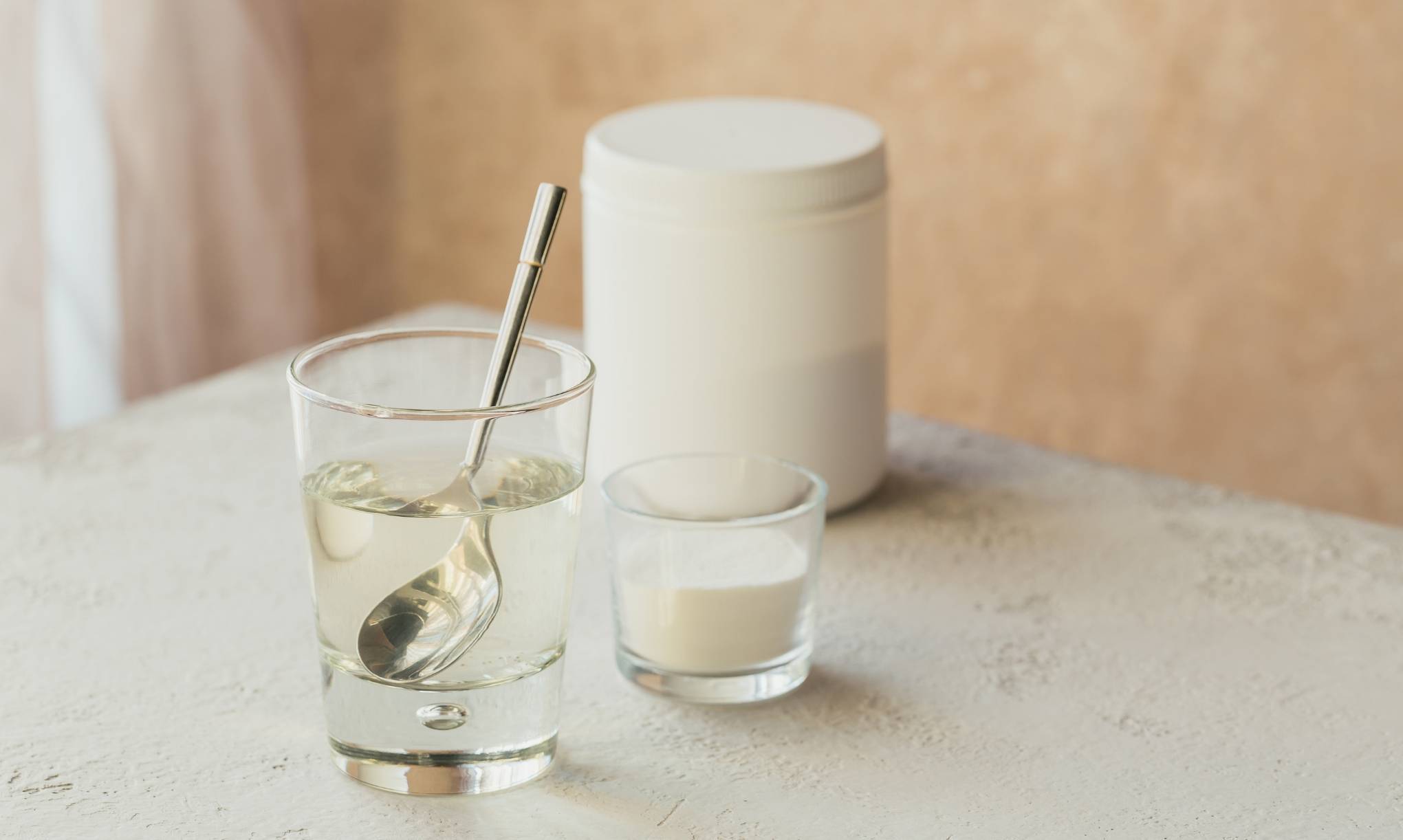
When you consume a collagen drink, it does not travel directly to your skin in its original form. Instead, it undergoes digestion in the stomach and small intestine, where it is broken down into amino acids and small peptides.
These building blocks are then absorbed into the bloodstream. Some of these peptides, such as proline-hydroxyproline, have been studied for their potential role in stimulating fibroblasts—the cells responsible for producing collagen in the skin.
However, it is important to understand that the body does not “store” collagen specifically for the face or skin. Instead, it distributes amino acids where they are needed most, which may include skin, joints, or internal organs.
This is where collagen supplementation becomes both interesting and uncertain. While the body can use these nutrients for collagen synthesis, it does not guarantee targeted cosmetic effects. The effectiveness depends on multiple factors, including diet quality, hydration, sleep, UV exposure, and overall skin health.
In simple terms, collagen drinks provide raw materials—but whether your body uses them to improve skin appearance is influenced by broader biological conditions.
What Clinical Studies Actually Reveal About Collagen Drinks
Scientific interest in collagen supplementation has grown significantly over the past decade. Several clinical studies suggest that hydrolyzed collagen may offer modest improvements in skin hydration, elasticity, and wrinkle depth.
A frequently cited review published in the Journal of Drugs in Dermatology analyzed multiple randomized controlled trials and found that collagen peptides improved skin elasticity and hydration after 8–12 weeks of consistent use. Another study in Nutrients (2019) reported similar findings, noting measurable improvements in skin density and moisture levels among participants taking collagen supplements compared to placebo groups.
Despite these promising results, researchers emphasize that:
· Improvements are generally mild to moderate, not dramatic
· Results vary widely between individuals
· Most studies are funded or supported by supplement manufacturers, which may introduce bias
· Long-term effects beyond 6 months are still not well established
It is also worth noting that many studies combine collagen with other ingredients such as vitamin C, hyaluronic acid, or antioxidants, making it difficult to isolate collagen as the sole active factor.
Overall, the evidence suggests collagen drinks may support skin health—but they are not a replacement for medical-grade dermatological treatments or a balanced lifestyle.
Who May Notice Results & What Those Results Look Like
Not everyone will experience the same level of improvement from collagen drinks. Some individuals may notice subtle changes in skin texture or hydration, while others may see little difference at all.
Those who may benefit most typically include:
· Individuals in their late 20s and beyond, when natural collagen decline begins
· People with dry or dehydrated skin
· Individuals with inconsistent dietary protein intake
· Those exposed to high levels of sun or environmental stress

When collagen supplementation does work, the changes are usually gradual and subtle. Commonly reported improvements include:
· Slightly smoother skin texture
· Improved hydration and “plumpness”
· Reduced appearance of fine lines over time
· Healthier-looking nails and hair in some cases
However, collagen drinks should not be expected to produce results similar to cosmetic procedures. Think of them more as supportive nutrition rather than corrective treatment.
For those seeking more structured skin rejuvenation options, wellness-focused platforms such as Trambellir’s Health And Wellness services offer access to broader treatments that complement lifestyle-based skincare approaches.
The Myths, Limits, and Smart Way to Use Collagen Supplements
Despite their popularity, collagen drinks are surrounded by misconceptions. One of the biggest myths is that collagen from drinks directly replaces lost collagen in the skin. As explained earlier, the body does not work in such a direct “replacement” system.
Other important limitations include:
· Absorption variability: Not all collagen peptides are absorbed equally
· Diet dependency: Without sufficient vitamin C, collagen synthesis is less efficient
· Lifestyle impact: Smoking, poor sleep, and UV exposure can override benefits
· Cost vs. results: Long-term use can be expensive compared to dietary sources of protein
To use collagen drinks more effectively, they are best combined with supportive habits:
· A diet rich in protein (fish, eggs, legumes)
· Vitamin C sources such as citrus fruits and leafy greens
· Daily sunscreen use to reduce collagen breakdown
· Adequate hydration and sleep
Collagen drinks may play a small supportive role, but they work best as part of a broader skin health strategy rather than a standalone solution.
Supporting Collagen Naturally with a Wellness-Focused Approach
Instead of relying solely on supplements, many experts emphasize stimulating the body’s own collagen production. This can be achieved through a combination of nutrition, lifestyle, and targeted wellness care.
Key natural strategies include:
· Consuming amino acid-rich foods such as chicken, tofu, and fish
· Increasing antioxidant intake to reduce oxidative stress
· Managing stress levels, which can accelerate skin aging
· Engaging in regular physical activity to improve circulation
In recent years, wellness clinics have also begun offering treatments that support skin vitality from within, such as nutrient infusions and personalized health assessments. These approaches aim to enhance overall skin condition rather than focusing on a single supplement.
Some individuals exploring skin health optimization combine collagen drinks with professional wellness guidance to create a more comprehensive routine. Platforms like Trambellir help connect users to such Health And Wellness options across different regions, making it easier to explore supportive care alongside daily nutrition habits.
So, Do Collagen Drinks Really Work?
.jpg)
Collagen drinks are not magic solutions, but they are not entirely ineffective either. The most accurate answer lies somewhere in between. Research suggests they may provide modest improvements in skin hydration and elasticity when taken consistently over time, especially in individuals already experiencing early signs of collagen decline.
However, expectations should remain realistic. Collagen supplements work best as part of a wider lifestyle approach that includes balanced nutrition, sun protection, and healthy habits. Without these foundations, even the best supplement is unlikely to deliver noticeable results.
In the end, collagen drinks can be viewed as supportive skincare nutrition rather than transformative treatment. The real secret to long-term skin health still lies in how well you care for your body as a whole.
Frequently Asked Questions (FAQs)
1. Do collagen drinks really improve skin appearance?
Collagen drinks may improve skin hydration and elasticity slightly, but results are usually subtle and vary between individuals.
2. How long does it take for collagen drinks to show results?
Most studies suggest visible changes may appear after 8 to 12 weeks of consistent use, though some users may take longer.
3. Are collagen drinks better than collagen supplements in powder or capsules?
Effectiveness depends more on collagen type and dosage than format. Drinks, powders, and capsules can be similarly effective if hydrolyzed collagen is used.
4. Can collagen drinks replace skincare products?
No. Collagen drinks support internal nutrition but do not replace topical skincare or sun protection.
5. Are there any side effects of collagen drinks?
They are generally safe for most people, though mild digestive discomfort or allergies may occur in sensitive individuals.


