


Learn the key differences between Botox and dermal fillers, how they work, expected results, longevity, and which treatment may suit your goals.

By Puteri Syafeeqa | June 16th, 2026
Have you ever looked in the mirror and wondered why some facial lines seem to deepen over time while certain areas appear less defined or lose volume? Modern aesthetic treatments offer several solutions, but one question continues to arise among first-time patients: Should you choose Botox or dermal fillers?
Although both treatments are widely used to address signs of aging and enhance facial appearance, they work in very different ways. Understanding these differences can help you make informed decisions about your aesthetic goals and expectations.
Whether you're considering smoothing wrinkles, restoring facial volume, or enhancing facial contours, knowing how Botox and dermal fillers compare is the first step toward achieving natural-looking results.
Understanding Botox: How It Works on Dynamic Wrinkles
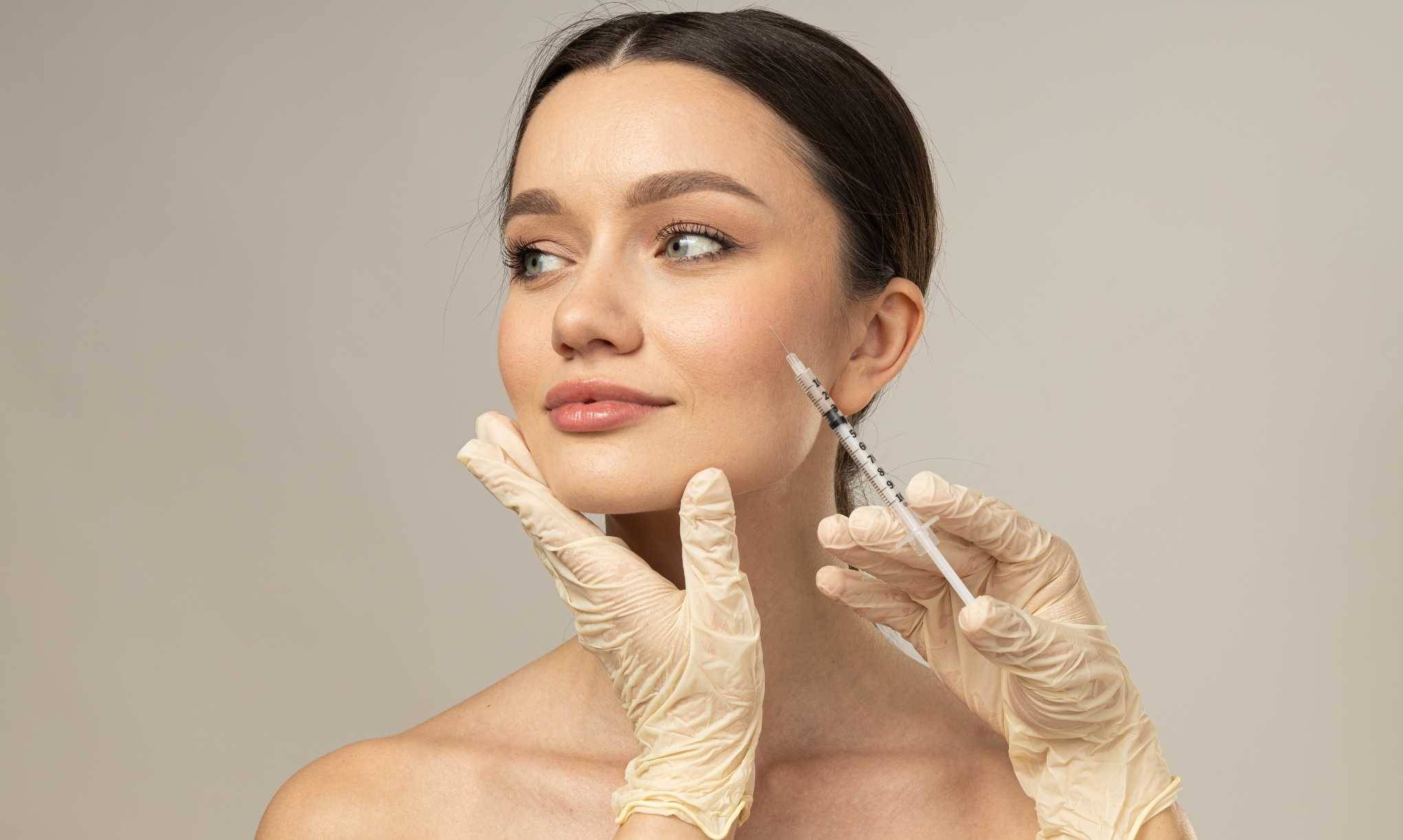
Botox is a purified form of botulinum toxin type A that temporarily relaxes specific facial muscles responsible for creating expression lines.
When we smile, frown, squint, or raise our eyebrows, repeated muscle movements eventually create wrinkles known as dynamic wrinkles. Botox works by reducing the muscle activity that causes these lines, allowing the skin to appear smoother.
Common treatment areas include:
· Forehead lines
· Frown lines between the eyebrows
· Crow's feet around the eyes
· Bunny lines on the nose
· Chin dimpling
· Neck bands
The treatment involves a series of small injections administered by a qualified medical professional. Most sessions take less than 30 minutes, making Botox a popular lunchtime procedure.
According to the American Society of Plastic Surgeons (ASPS), botulinum toxin injections consistently rank among the most commonly performed minimally invasive cosmetic procedures worldwide.
What Are Dermal Fillers and How Do They Restore Volume?
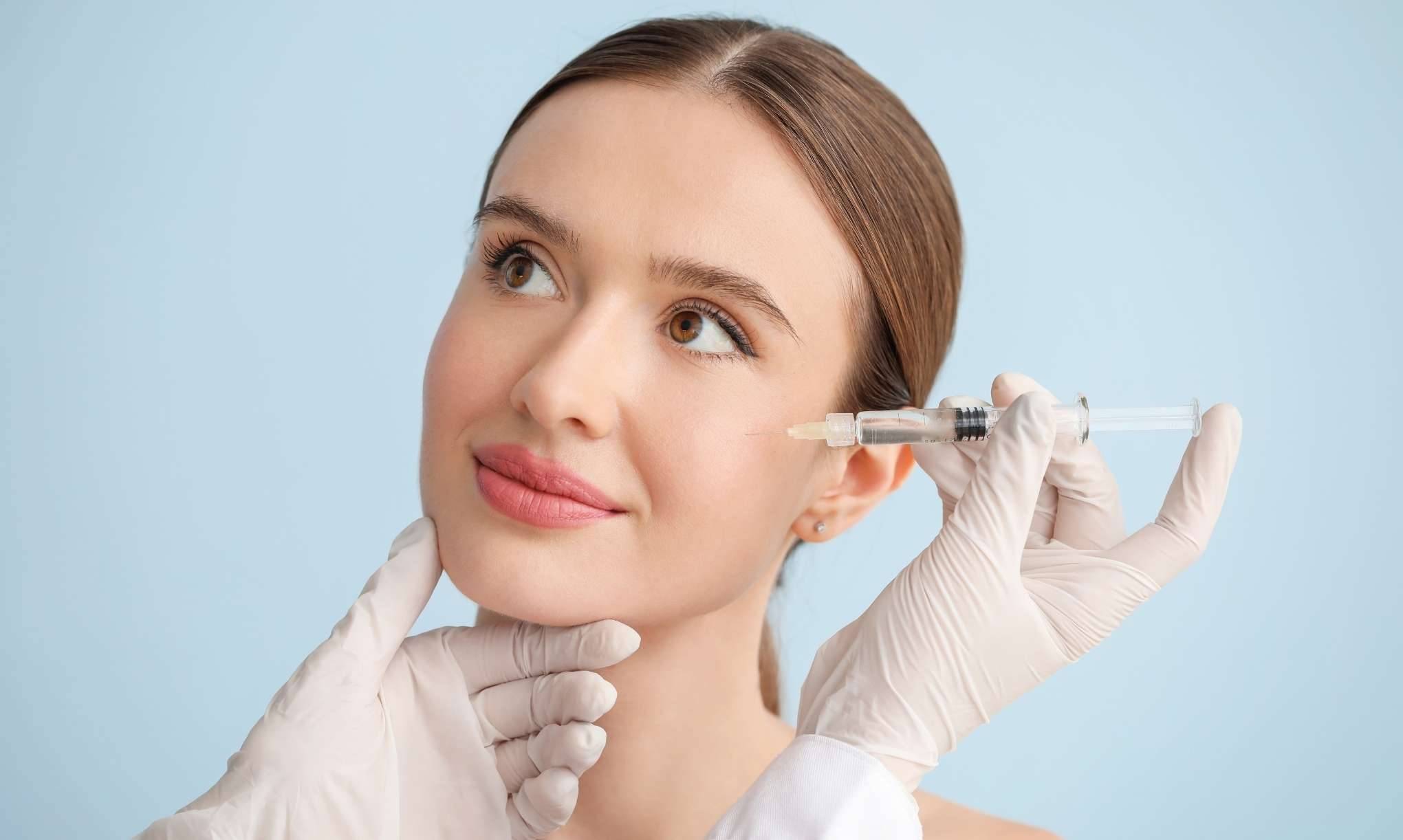
Unlike Botox, dermal fillers do not affect muscle movement. Instead, they are injectable substances designed to add volume beneath the skin.
Many modern fillers contain hyaluronic acid (HA), a naturally occurring substance in the body that helps maintain hydration and fullness. As aging progresses, collagen, fat, and hyaluronic acid levels decrease, leading to volume loss and sagging.
Dermal fillers can help:
· Restore volume in the cheeks
· Enhance the lips
· Improve chin definition
· Contour the jawline
· Fill under-eye hollows
· Soften deep facial folds
· Improve facial symmetry
Because fillers physically occupy space beneath the skin, results are often visible immediately after treatment.
Various filler formulations are available, each designed for different treatment areas and aesthetic goals.
Botox vs Dermal Fillers: The Core Difference
While both Botox and dermal fillers are popular non-surgical cosmetic treatments, they work in fundamentally different ways and are designed to address different concerns.
Botox primarily works by relaxing targeted facial muscles. It is most effective for treating dynamic wrinkles, which are lines caused by repeated facial expressions such as smiling, frowning, or squinting. Common treatment areas include the forehead, crow's feet around the eyes, and frown lines between the eyebrows. Results typically become noticeable within a few days after treatment, with the full effect appearing after one to two weeks. Most Botox results last approximately three to four months. Because Botox reduces muscle activity, it helps prevent wrinkles from becoming deeper over time.
Dermal fillers, on the other hand, are designed to restore lost volume and enhance facial contours. They are particularly effective for treating static wrinkles, which remain visible even when the face is at rest, as well as areas affected by age-related volume loss. Common treatment areas include the cheeks, lips, jawline, chin, and under-eye hollows. Unlike Botox, filler results are often visible immediately after treatment. Depending on the type of filler used and the treatment area, results can last anywhere from six months to two years or longer. Dermal fillers do not affect muscle movement, allowing normal facial expressions to remain unchanged.
In simple terms, Botox targets the muscles that cause wrinkles, while dermal fillers add volume beneath the skin. If facial lines are primarily caused by repeated expressions, Botox may be the better option. If the concern is volume loss, facial hollowing, or deeper folds, dermal fillers are often more suitable. Many patients choose to combine both treatments to achieve more comprehensive and natural-looking facial rejuvenation.
Dynamic vs Static Wrinkles: Why the Distinction Matters
One of the most important factors when choosing between Botox and fillers is understanding the type of wrinkle being treated.
Dynamic Wrinkles
Dynamic wrinkles appear when facial muscles contract.
Examples include:
· Forehead lines when raising eyebrows
· Crow's feet when smiling
· Frown lines when concentrating
These wrinkles generally respond well to Botox because muscle activity is the primary cause.
Static Wrinkles
Static wrinkles remain visible even when the face is at rest.
Examples include:
· Nasolabial folds
· Deep cheek creases
These wrinkles are often associated with volume loss and collagen reduction, making dermal fillers a more suitable option.
Many individuals have both dynamic and static wrinkles, which is why combination treatment plans are frequently recommended.
Comparing Treatment Experience and Recovery
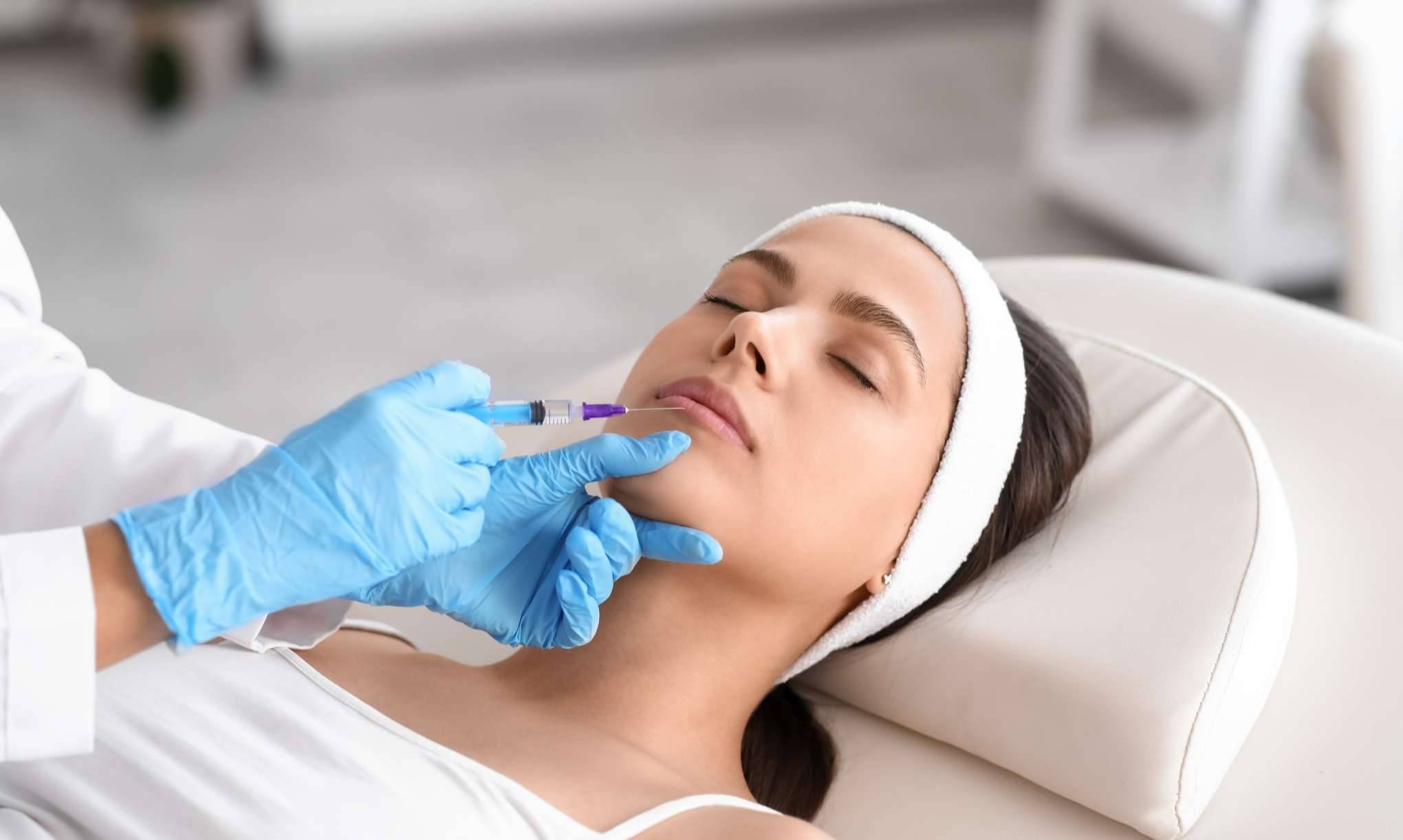
Both Botox and dermal fillers are minimally invasive procedures, but the treatment experience can differ slightly.
Botox Treatment Experience
The procedure typically involves:
1. Consultation and facial assessment
2. Cleansing of treatment areas
3. Small injections into targeted muscles
4. Immediate return to most daily activities
5. Patients may experience mild redness or tiny injection marks that usually resolve quickly.
Dermal Filler Treatment Experience
The process often includes:
1. Facial evaluation and treatment planning
2. Application of numbing cream if needed
3. Strategic filler injections
4. Gentle molding of treated areas
5. Temporary swelling, tenderness, or bruising can occur, especially in sensitive areas such as the lips.
Most individuals can resume normal activities shortly after treatment, although practitioners may recommend avoiding strenuous exercise for a short period.
How Long Do Results Last?
Longevity is another major consideration when comparing Botox and fillers.
Botox Duration
Results typically begin appearing within 3 to 7 days and reach their full effect after approximately two weeks.
Most patients enjoy smoother skin for:
· 3 to 4 months
· Sometimes up to 6 months depending on individual factors
· Regular maintenance treatments are required to sustain results.
Dermal Filler Duration
Filler longevity depends on the product used, treatment area, and individual metabolism.
General estimates include:
· Lip fillers: 6 - 12 months
· Cheek fillers: 12 - 24 months
· Jawline and chin fillers: 12 - 24 months
Some advanced fillers may last even longer under specific circumstances.
The longevity advantage often makes fillers appealing for individuals seeking less frequent maintenance appointments.
Which Treatment Delivers More Natural-Looking Results?

A common misconception is that injectable treatments inevitably create an artificial appearance.
In reality, natural-looking outcomes depend largely on:
· Proper patient selection
· Appropriate product choice
· Accurate injection techniques
· Conservative treatment planning
When performed by experienced professionals, both Botox and fillers can produce subtle enhancements rather than dramatic changes.
Modern aesthetic trends increasingly focus on maintaining facial harmony and preserving natural expressions instead of creating an overly treated look.
The best results often occur when treatments complement existing facial features rather than attempting to drastically alter them.
Can Botox and Dermal Fillers Be Combined?
Absolutely.
Many aesthetic practitioners use a combination approach known as a liquid facelift, where Botox and fillers address different aspects of facial aging simultaneously.
For example:
· Botox may soften forehead lines and crow's feet.
· Fillers may restore cheek volume and improve facial contours.
This comprehensive strategy can provide more balanced and harmonious results than either treatment alone.
Patients often appreciate that combination treatments target multiple concerns while still avoiding surgery and extended recovery periods.
For those exploring cosmetic treatments abroad, platforms such as Trambellir can help connect travelers with clinics offering a wide range of aesthetic services, including injectables, skin rejuvenation treatments, and personalized beauty consultations.
Safety Considerations Before Treatment
Botox and dermal fillers generally have strong safety profiles when administered by qualified medical professionals.
However, no cosmetic procedure is completely risk-free.
Potential side effects may include:
· Redness
· Swelling
· Bruising
· Tenderness
· Temporary asymmetry
More serious complications are rare but can occur if injections are performed improperly.
Before treatment, patients should:
· Choose licensed and experienced practitioners
· Discuss medical history thoroughly
· Review treatment expectations
· Understand potential risks and benefits
The U.S. Food and Drug Administration (FDA) advises patients to receive injectable treatments only from trained healthcare providers.
Choosing Between Botox and Fillers Based on Your Goals
The ideal treatment depends on your specific concerns.
You may be a good candidate for Botox if you want to:
· Smooth forehead lines
· Reduce crow's feet
· Soften frown lines
· Prevent wrinkle progression
You may be a good candidate for dermal fillers if you want to:
· Restore lost facial volume
· Enhance lips
· Define the jawline
· Improve cheek contours
· Fill deeper facial folds
If you're unsure which option suits your goals, a professional consultation can help determine the most effective treatment plan.
Many patients discover that combining both approaches provides the most comprehensive rejuvenation while maintaining a natural appearance. Those researching aesthetic treatments internationally may also find it useful to compare available options through medical travel platforms such as Trambellir, which showcase clinics and treatment information across multiple destinations.
Frequently Asked Questions
1. Is Botox better than dermal fillers?
Neither treatment is universally better. Botox is more effective for dynamic wrinkles caused by muscle movement, while dermal fillers are better suited for restoring volume and treating static wrinkles.
2. Which lasts longer: Botox or dermal fillers?
Dermal fillers generally last longer. Botox typically lasts 3–4 months, whereas many fillers can last between 6 and 24 months depending on the product and treatment area.
3. Are Botox and dermal filler injections painful?
Most patients report only mild discomfort. Fine needles, topical numbing creams, and fillers containing lidocaine help improve comfort during treatment.
4. Can Botox and dermal fillers be performed on the same day?
Yes. Many practitioners safely perform both treatments during the same appointment when appropriate for the patient's aesthetic goals.
5. At what age should someone consider Botox or dermal fillers?
There is no specific age requirement beyond legal and medical eligibility. Some individuals begin preventive Botox in their late twenties or thirties, while others seek fillers later when volume loss becomes more noticeable.


